
Last updated November 22, 2026
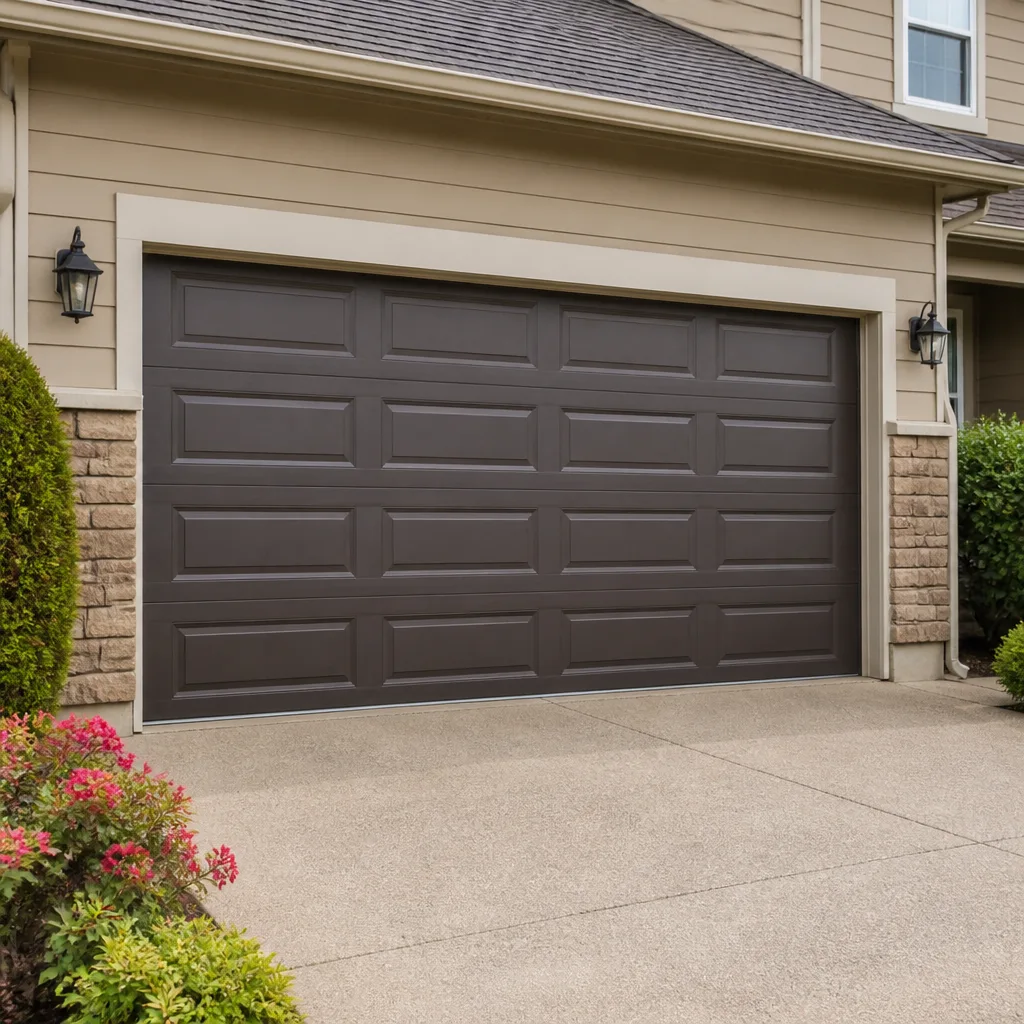 Raised-panel steel
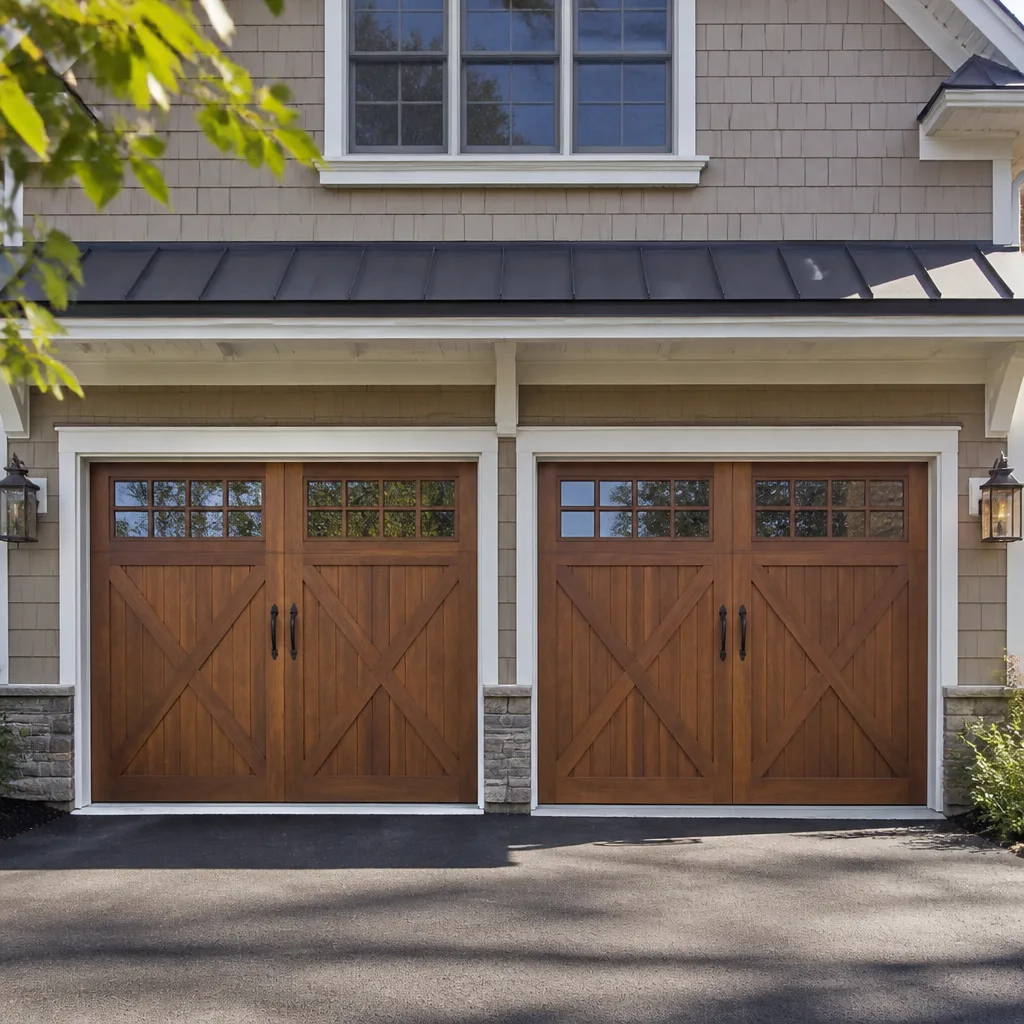 Carriage house
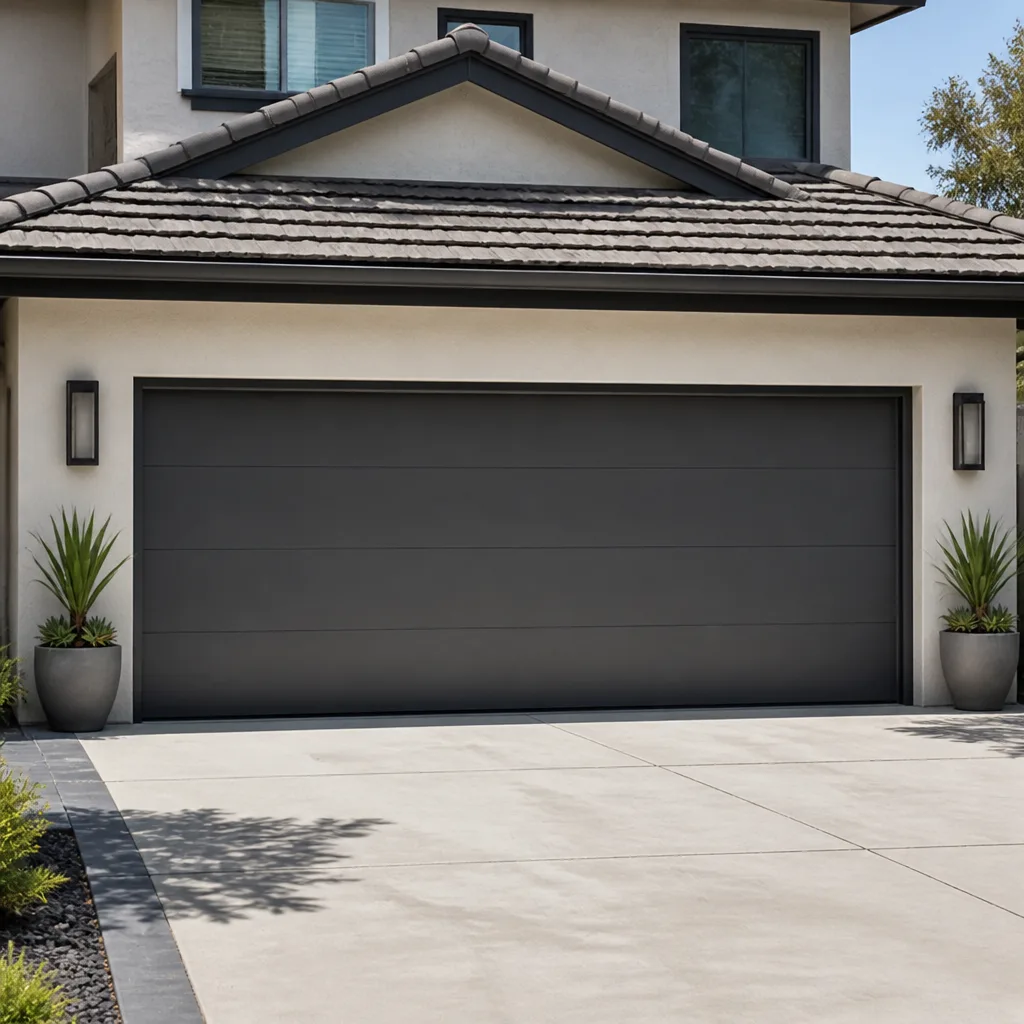 Modern flush
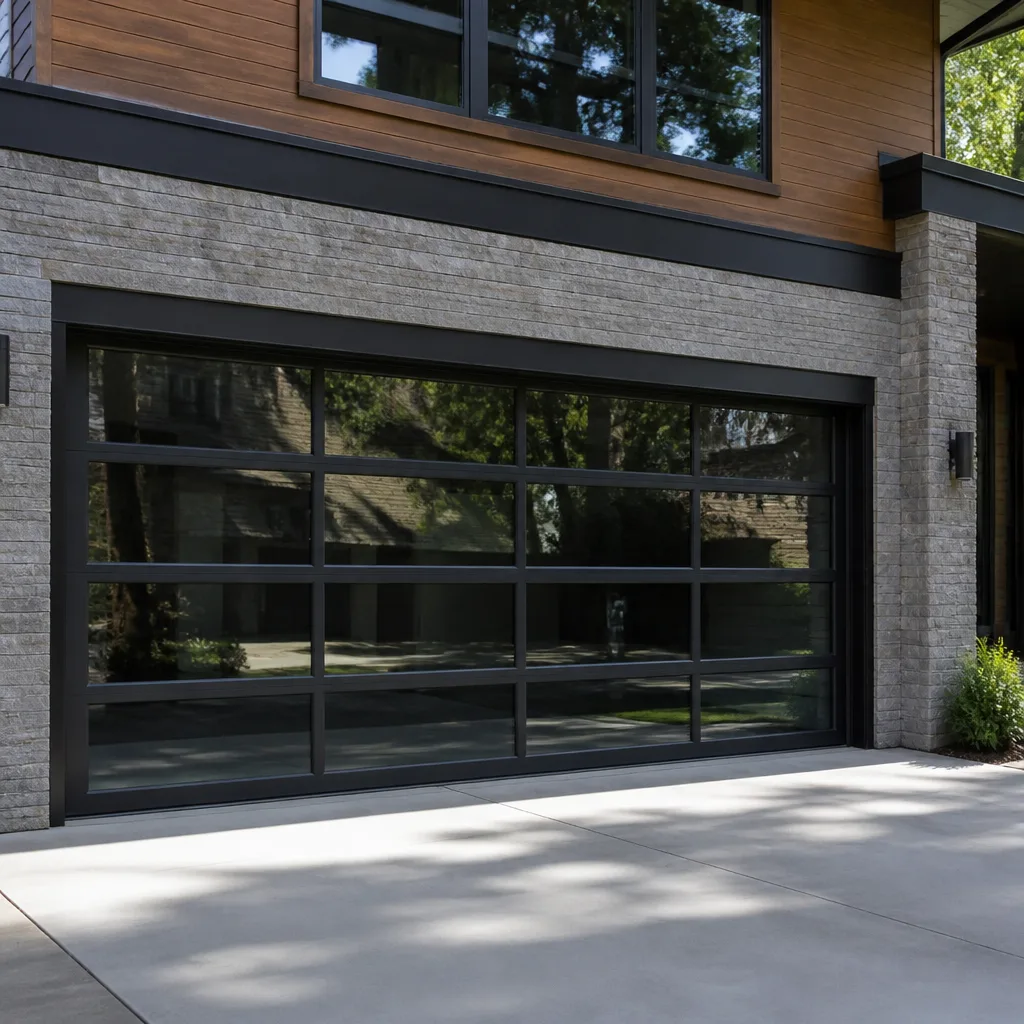 Full-view glass
 LiftMaster openers
 Chamberlain openers
Full 25-point door and opener safety check with every visit - springs, cables, rollers, tracks, and your LiftMaster or Chamberlain opener included
You get a price before we start. It does not change when the pro arrives.
Get your free estimateSeasonal Garage Door Care for Eden Prairie: Year-Round Homeowner’s Guide
The spring that snaps in January usually didn’t fail because of January. It failed months earlier, during a stretch when the temperature climbed and dropped forty degrees in two days and nobody thought to look at the tension. That’s the part most seasonal checklists get wrong. They treat “garage door maintenance” as one tidy task you do once a year, so the door is always one season behind what Eden Prairie weather is actually doing to it. This guide breaks the year into four distinct failure windows, each with its own culprit and its own fix, so you know what to check, when to check it, and when to stop and call someone. We’ll walk through springs, seals, opener travel limits, panel moisture, and the components that quietly age out on a schedule the calendar never mentions. By the end you’ll have a month-by-month map specific to Eden Prairie homes and the way our winters, thaws, and humid summers press on a door.
Quick Answer
Seasonal garage door care in Eden Prairie means matching your maintenance to four distinct pressure points rather than doing one annual tune-up: the March-to-April thaw (spring and cable stress), summer humidity (wood panel and paint-seal damage), the fall pre-winter window (weatherseal replacement and opener travel-limit testing), and deep winter (cold-stiffened lubricant and frozen floor seals). The single highest-risk component is the torsion spring, and the highest-risk window for it is the spring thaw, not mid-winter. Check springs, seals, and opener limits at each transition and you’ll catch most failures before they strand you.
Styles & brands we work with
- Raised-panel steel
- Carriage house
- Modern flush
- Full-view glass
- LiftMaster openers
- Chamberlain openers
Table of Contents
- Why Eden Prairie Weather Wears a Door Differently
- March to April: The Spring-Thaw Window
- May to August: Humidity, Wood Panels, and Paint Seals
- September to November: The Pre-Winter Protocol
- December to February: Cold, Stiff Grease, and Frozen Seals
- How to Test Opener Travel Limits Before the Cold
- Choosing the Right Weatherseal for Eden Prairie Floors
- The Month-by-Month Component Map
Why Eden Prairie Weather Wears a Door Differently
A garage door is a big slab of metal or wood hanging by a torsion spring, riding on rollers, and sealed to a concrete floor that sits at a temperature all its own. Every part of that system expands, contracts, and flexes at a different rate when the weather swings. In Eden Prairie, the swings are the whole story. Our climate gives us four genuinely different seasons, and the transitions between them do more damage than any single cold snap.
Think about what a door actually experiences across a year here. In spring, the metal frame warms and cools repeatedly while the concrete floor is still holding winter cold, so the door and its seal move in opposite directions. In summer, the humidity climbs and settles, and any wood component starts absorbing moisture. In fall, the first hard freeze arrives and everything that was soft and pliable in August turns brittle overnight. In deep winter, the lubricant that flowed smoothly in October stiffens, and the seal that sat flush in September freezes to the floor.
None of these are emergencies on their own. What makes them matter is that each one pre-loads a failure you’ll only notice later. A torsion spring doesn’t break the instant the temperature drops. It breaks after a hundred small cycles of expanding and contracting while it carries the full weight of the door. That’s why the January breakdown is really April’s bill coming due.
So the useful way to think about seasonal care in Eden Prairie is not “do I maintain my door?” but “which component is under the most stress right now, and what’s the specific fix for it?” That reframing is what the rest of this guide is built around. If your door has already stopped moving, that’s a different conversation, and our garage door repair team handles the emergency side. For everything short of a failure, read on.
March to April: The Spring-Thaw Window
In our experience, the spring thaw is the most overlooked high-risk window on the Eden Prairie garage door calendar, and it has nothing to do with how cold it is. It has to do with how fast the temperature moves. When daytime highs climb into the forties and fifties while nights still drop below freezing, the torsion spring and its cables go through a full expand-contract cycle every single day. Metal fatigues fastest under repeated cycling, and a Minnesota thaw delivers more cycles in six weeks than most of the country sees in a season.
What makes March and April the highest-risk stretch for torsion spring failure is the combination of cycling and what the metal has already been through. The spring spent all winter under load in cold, stiff conditions. Now it’s warming, relaxing, and re-tightening daily. If it was already near the end of its cycle life, the thaw is when it lets go.
What to check during the thaw
- Listen before you pull out. A sharp bang from the garage, a door that suddenly feels much heavier than usual, or a door that opens a foot and stops are all classic signs a torsion spring has failed.
- Look at the spring, don’t touch it. A visible gap in the coils of a torsion spring means it’s broken. Do not attempt to wind, unwind, or loosen anything to “test” it.
- Watch the cables. Frayed strands or a cable that’s gone slack on one side point to a problem that needs trained hands.
- Check that the door sits level. Stand back and look at the gap under the door. A door that’s lower on one side than the other usually means a spring or cable issue.
Here’s the part we can’t say often enough: torsion springs are under extreme tension and are the most dangerous component on the entire door. The energy stored in a wound spring can cause serious injury in an instant, and a spring that looks “just a little broken” is still loaded. This is not a check-it-yourself repair. Our garage door spring repair service exists precisely because springs require trained hands, correct winding bars, and a matched pair replaced together. If you suspect a spring is failing, stop operating the door and call.
The good move before the thaw hits is a simple visual walk-around: confirm the door is level, listen for unusual sounds, and note anything that feels different. Catching a tired spring in February costs you a scheduled repair. Catching it in April, with the car inside and the door stuck open, costs you a morning.
May to August: Humidity, Wood Panels, and Paint Seals
Eden Prairie’s lake-adjacent neighborhoods sit in a stretch of summer where the humidity climbs and doesn’t let go for weeks at a time. Your neighbor a mile inland has a different set of problems than a home near the water, but the humidity that matters for a garage door is the humidity in the air around it. Wood door panels absorb that moisture. When wood absorbs moisture, it swells. When it swells, paint and stain crack at the seams, water gets behind the finish, and by the time you notice the peeling it’s already working into the wood.
The wood doors in Eden Prairie south-side neighborhoods, where a lot of homes have older wood-panel doors, are the ones that feel this most. A wood door that looks fine in a dry June can show cupping, raised grain, or cracked paint at the bottom panel edges by August. That bottom edge is where humidity damage starts, because it’s closest to the floor and stays wettest longest.
The summer maintenance list for wood and steel
- Inspect paint and stain at the bottom panels first. Any cracking, bubbling, or peeling is a place water will get in. A light touch-up now prevents a re-finish later.
- Check the seal along the floor. Humidity softens a rubber seal and can let it sag or pull away from the door edge. Run your hand along the bottom seal and feel for gaps.
- Look for rust blooms on steel doors. A steel door that’s lost its finish in one spot will start surface rusting in humid air. Touch it up before fall.
- Keep the tracks clean and dry. Summer grit and dust collect in the tracks and mix with old lubricant. Wipe them down and re-lubricate the rollers and hinges lightly.
We service LiftMaster and Chamberlain openers all summer long, and a surprising share of “my opener is acting up” calls in July and August turn out to be a door that’s dragging because a swollen wood panel or a stiffening seal is fighting the motor. The opener is doing what it was told. The door is the problem. If you’re not sure which one is at fault, our garage door opener repair techs can sort it out, and we already know both brands inside out.
September to November: The Pre-Winter Protocol
The window between the first cool nights and the first hard freeze is the most useful maintenance window of the year. What you fix in October is what saves you in January. The work here is mostly about seals, moving parts, and the opener settings that determine whether the door will actually close when it’s cold.
The centerpiece is the weatherseal. The bottom seal on your door is what keeps snow, meltwater, and cold air out, and a seal that’s been on the door for a few winters is already hardening. A hard seal doesn’t compress to the floor. It sits on top of it, leaves a gap, and lets in the draft and the ice. Replacing it before the freeze is the single highest-value fall task.
The pre-winter checklist
- Replace the bottom weatherseal. Pick the right profile for your floor (more on that below). This is the one job that pays back all winter.
- Test and adjust opener travel limits. A door that doesn’t fully close because the limit is set short will leave a gap at the floor, and an opener that’s set to push too far will strain against a frozen seal. This is the setting that causes the most winter lockouts, and it’s worth testing in October.
- Lubricate hinges, rollers, and the spring. Use a lubricant meant for garage doors, not general-purpose grease. Cold-stiffened lubricant is a common winter complaint.
- Check the safety reverse. Place a solid object in the door’s path and confirm the door reverses on contact. A door that doesn’t reverse is a safety problem, not a convenience one.
- Look at the springs again. If a spring has lasted several seasons, a fall inspection is your chance to replace it on your schedule rather than in a January freeze.
- Tighten the hardware. Bolts and brackets work loose over a summer of use. A rattle you ignore in September becomes a misalignment by December.
If your door is a Craftsman or Raynor model, the travel-limit adjustment is usually accessible under the opener housing or behind the light lens, but the exact procedure varies by model. We’ve worked on enough of both to know the differences. If the manual is long gone and the settings feel off, that’s a quick call.
December to February: Cold, Stiff Grease, and Frozen Seals
Deep winter in Eden Prairie is when the door works hardest and complains loudest. The metal contracts, the lubricant thickens, and the floor seal can literally freeze to the concrete. The failures here are less dramatic than a broken spring but just as disruptive, because a door that won’t close leaves the house open to the cold and, in a stretch like this, to a lot of snow.
Three things go wrong most often in the coldest weeks:
- The seal freezes to the floor. When the door lifts, it peels the seal or tears it. The fix is a proper seal profile that sits correctly on the floor and a bit of care before you operate the door on a very cold morning.
- The opener strains or reverses. Cold-thickened grease and a stiff seal both add resistance, and an opener with marginal force settings will read the resistance as an obstruction and reverse. That’s a lockout, not a breakdown, but it strands you the same way.
- A tired spring finally gives. The January spring failure is the classic one, even though, as we said, the spring was really compromised during the thaw. If a spring has survived a thaw, a summer, and a fall, winter is where the last of its cycle life gets used up.
A frozen door is not a job for a pry bar. Forcing a frozen seal or a stuck door can bend the bottom panel and damage the hardware. If your door won’t open on a cold morning, the patient move is to free the seal carefully, check for ice at the base, and try the opener once. If it still won’t budge, call. We answer 24/7, and fast dispatch from 7am to 7pm gets a technician out without you fighting the door.
One more winter habit worth building: don’t run the door up and down repeatedly on the coldest mornings just to “warm it up.” Every cycle counts against your spring, and in extreme cold the components are at their least forgiving.
How to Test Opener Travel Limits Before the Cold
Travel limits tell the opener how far to raise the door and how far to lower it. Get them wrong and the door either stops short of the floor or pushes too hard against it. In summer the consequences are minor; in winter they’re the difference between a door that seals and a door that leaves a gap. Testing them is a fall task worth doing before the first hard freeze.
Here’s the general idea, without getting into the DIY danger zone. Travel-limit adjustment is a safe homeowner task on most openers, unlike spring work. The exact controls vary by brand, so treat this as the shape of the job:
- Run the door fully down and look at the gap. A door that leaves a visible gap under the seal at full close is running short on its down limit.
- Run the door fully up and look at the position. The door should stop just short of the header, not strain against it.
- Locate the limit controls. On most LiftMaster and Chamberlain openers these are on the side or back of the opener housing, often labeled with arrows for up and down travel.
- Make small adjustments. Turn the control a little, run the door, and check the result. Small moves, repeated, are far safer than one big turn.
- Confirm the safety reverse after any change. Put a solid object in the door’s path and verify the door reverses on contact. Never leave this unchecked.
If your opener’s response to a limit adjustment is erratic or the door still won’t close, the issue may not be the limit at all. It could be the force setting, a misaligned sensor, or a door that’s binding. We handle LiftMaster, Chamberlain, Genie, and Craftsman openers specifically, so we can usually tell you which one it is without a lot of guesswork. When winter lockouts keep happening no matter how you set the limits, a diagnostic visit is cheaper than a cold, open garage.
Choosing the Right Weatherseal for Eden Prairie Floors
Not all bottom seals are the same, and the wrong one is why some Eden Prairie doors leak cold air and freeze shut every winter. The reason comes down to a temperature differential that doesn’t exist in milder climates. Your concrete garage floor stays cold well into spring. The air in the garage warms up. That difference means the bottom seal has to stay flexible enough to compress against cold concrete while the door above it is moving through warmer air.
A thin, hard, or poorly fitting seal fails at exactly that seam. It sits on top of the floor instead of compressing into it. The gap lets in meltwater, which refreezes at the base and glues the door to the floor. Next morning the door rips the seal or jams.
What to look for in a floor seal
- Thickness that fills the actual gap. Measure the gap between the bottom of the door and the floor across the whole width. It’s rarely uniform. Buy a seal that’s thick enough for the widest gap.
- A flexible material that stays soft in the cold. The seal needs to compress against cold concrete, not go rigid. Ask for a cold-rated profile rather than whatever’s cheapest on the rack.
- The correct profile for your door type. A wood door and a steel door may take a different seal profile. Match the profile to the door, not to the last seal you bought.
- An even floor line. If the concrete floor is uneven or cracked, the seal has to accommodate the difference. A very uneven floor may need a thicker seal or a slightly different approach.
Get this right in October and winter stops being a fight. Get it wrong and you’ll be chipping ice off the floor and fighting the opener all January. Replacing a bottom seal is one of the simpler jobs on the door, and it’s a good time to have the rest of the pre-winter checklist done at the same time.
The Month-by-Month Component Map
Here’s the whole year on one page, organized by which component is under the most stress and what the specific fix is. Use this as your planning tool.
- January. Most-stressed component: cold-stiffened lubricant and frozen floor seal. Watch for: opener reversing, door stuck to the floor. Fix: free the seal carefully, keep lubricant on hinges and rollers, call if the door won’t move.
- February. Most-stressed component: torsion spring (end of winter cycle life). Watch for: heavier door, gap in the coils. Fix: schedule a spring inspection before the thaw.
- March-April. Most-stressed component: torsion spring and cables, under daily thaw cycling. Watch for: sharp bang, door stops partway, frayed cables. Fix: stop using the door and call for spring repair.
- May. Most-stressed component: tracks and rollers, after a winter of grit and ice. Watch for: noisy operation, uneven travel. Fix: clean the tracks, lubricate the moving parts.
- June-August. Most-stressed component: wood panels and paint seals. Watch for: cracked paint, raised grain, sagging seal. Fix: touch up finish, replace a soft seal, keep the door dry.
- September. Most-stressed component: hardware and bolts after a summer of use. Watch for: rattles, misalignment. Fix: tighten the hardware, check the safety reverse.
- October. Most-stressed component: bottom weatherseal and opener travel limits. Watch for: gaps at the floor, door not closing fully. Fix: replace the seal, test and set the limits.
- November-December. Most-stressed component: springs and cables heading into the freeze. Watch for: anything different from fall. Fix: a pre-winter inspection closes the loop for the year.
This is the map we work from when we talk through a door’s condition with an Eden Prairie homeowner. It’s the same door every season, but the part under load changes, and so should the check.
Common Mistakes to Avoid
- Treating maintenance as one annual task. A single spring tune-up in the fall misses the thaw window, which is the highest-risk stretch of the year. Spread the checks across the four transitions.
- Testing a torsion spring with your hands. A wound spring stores enough energy to injure you badly, even if it’s partly broken. Look, listen, and call rather than touching.
- Replacing one spring of a matched pair. A pair that’s been carrying the door together for the same number of cycles is usually replaced together, because the fresh spring will outlive the tired one and the door will run uneven. Replacing one and leaving the other is a false economy.
- Ignoring a bottom seal because it “still looks fine.” A seal can look fine from standing height and be hard and leaky at the floor. Feel it, don’t just look at it.
- Skipping the safety-reverse test after any adjustment. Adjusting travel limits without checking that the door reverses on contact leaves a safety gap behind, and it’s the one check people skip most.
- Using general-purpose grease on a garage door. The wrong lubricant stiffens in cold and attracts grit. Use a garage-door lubricant and apply it sparingly.
- Forcing a frozen door with a pry bar. It’s an easy way to bend a panel or damage the hardware, and it rarely frees the door. Free the seal carefully or call.
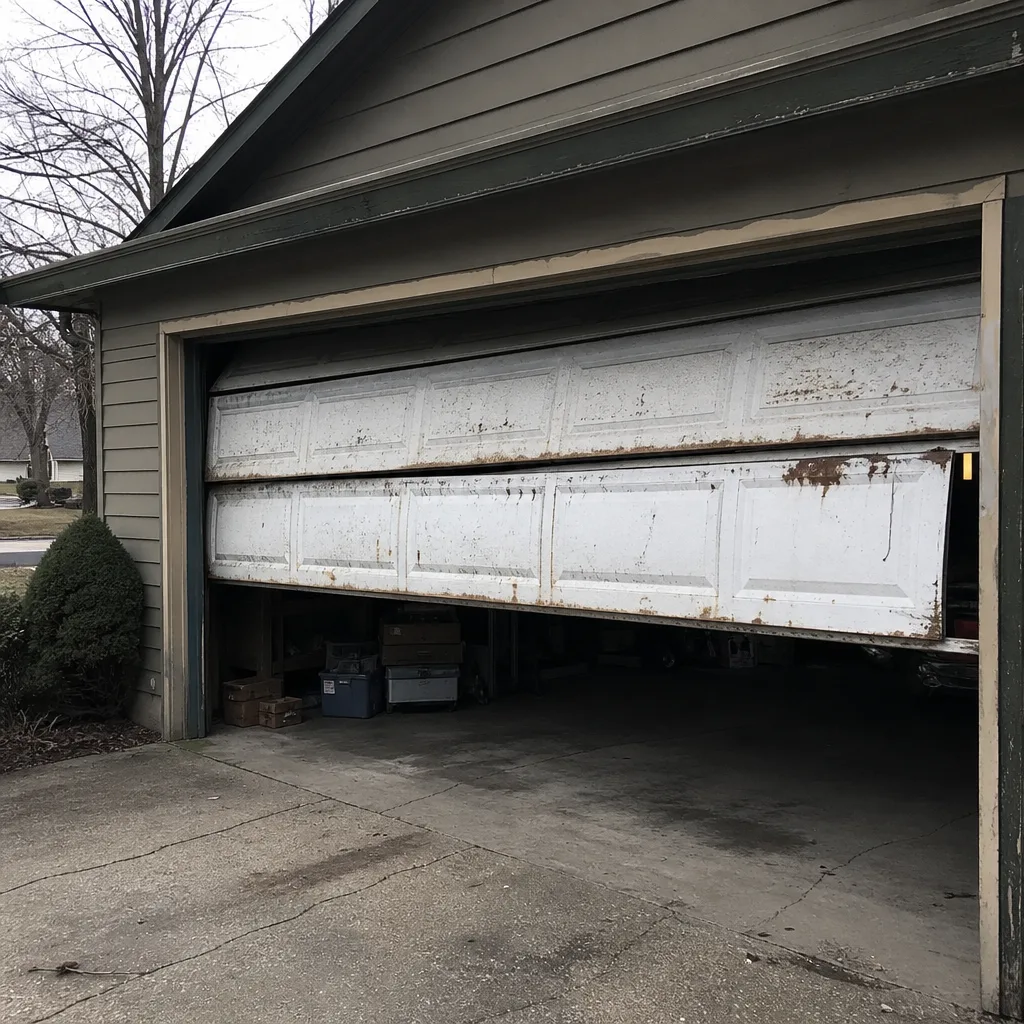
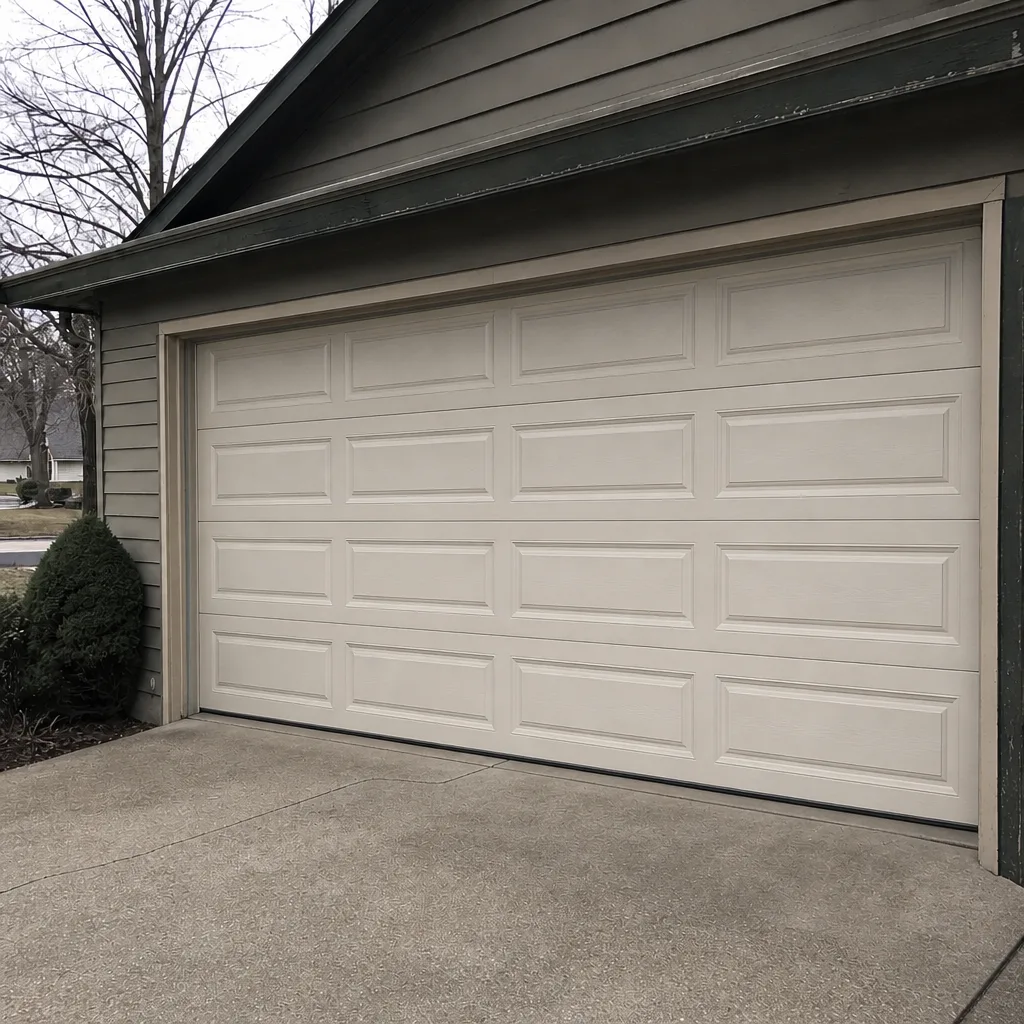
See the difference
 Before
 After
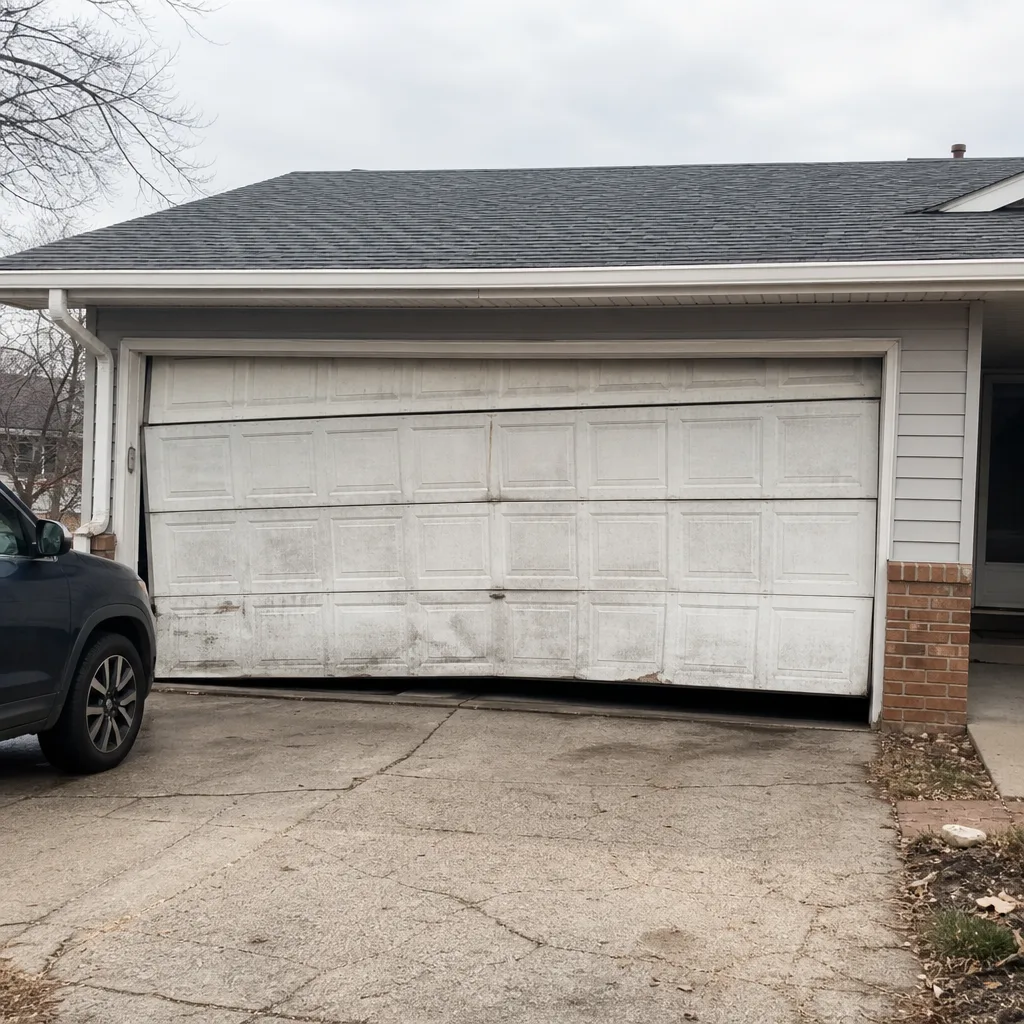 Before
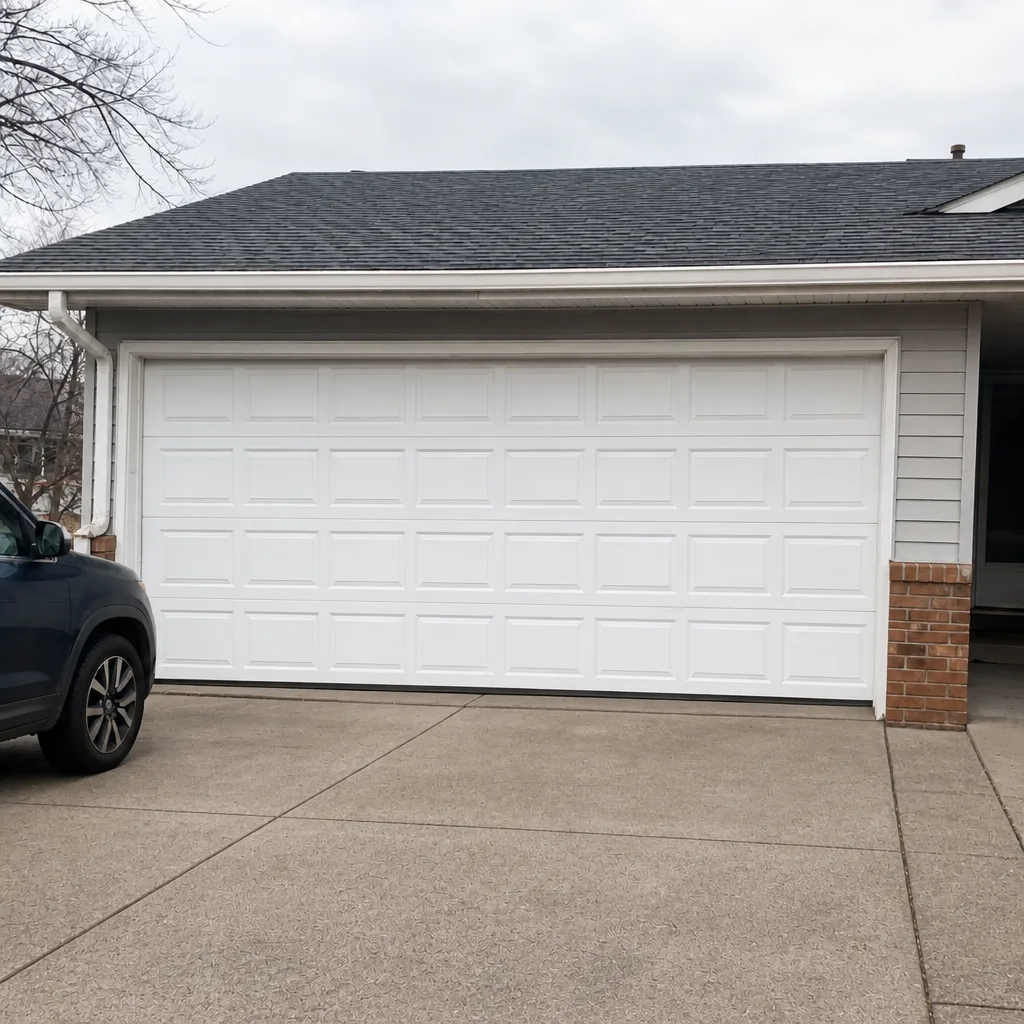 After
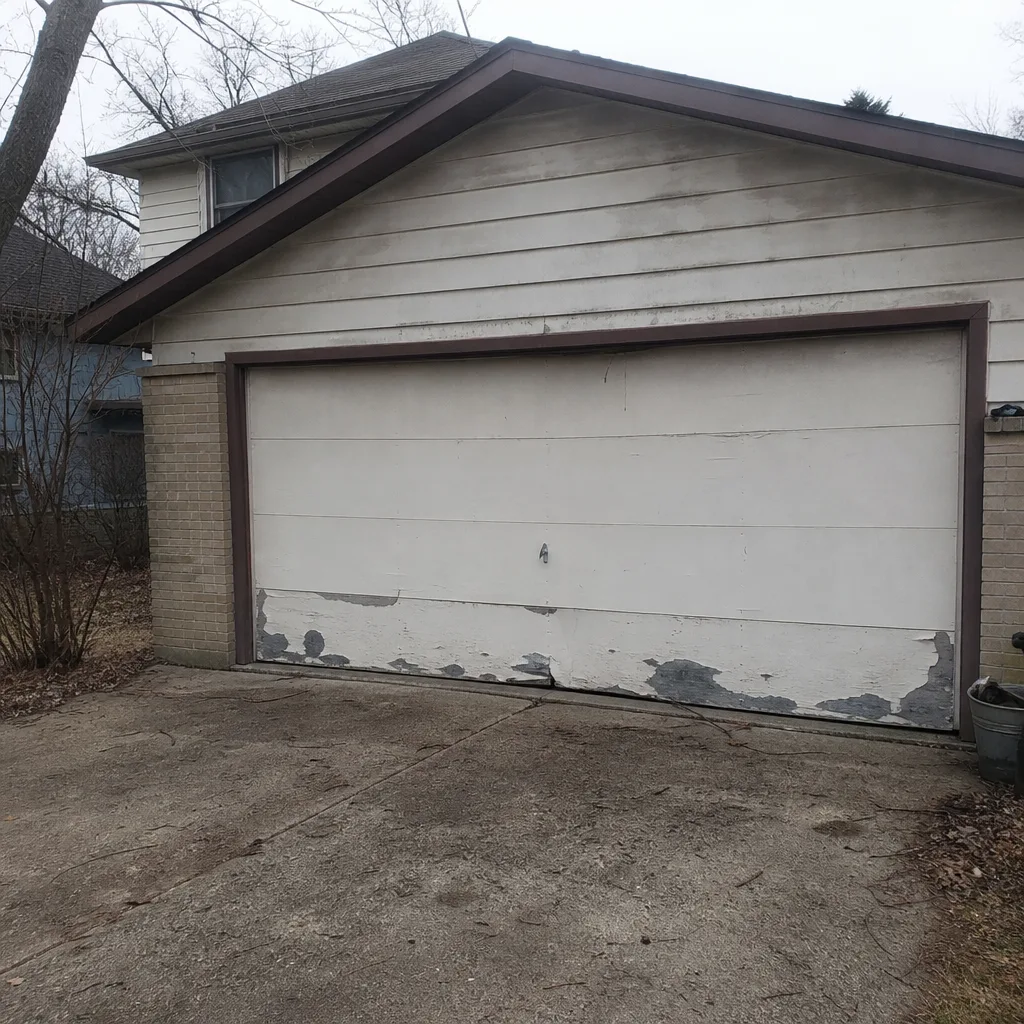 Before
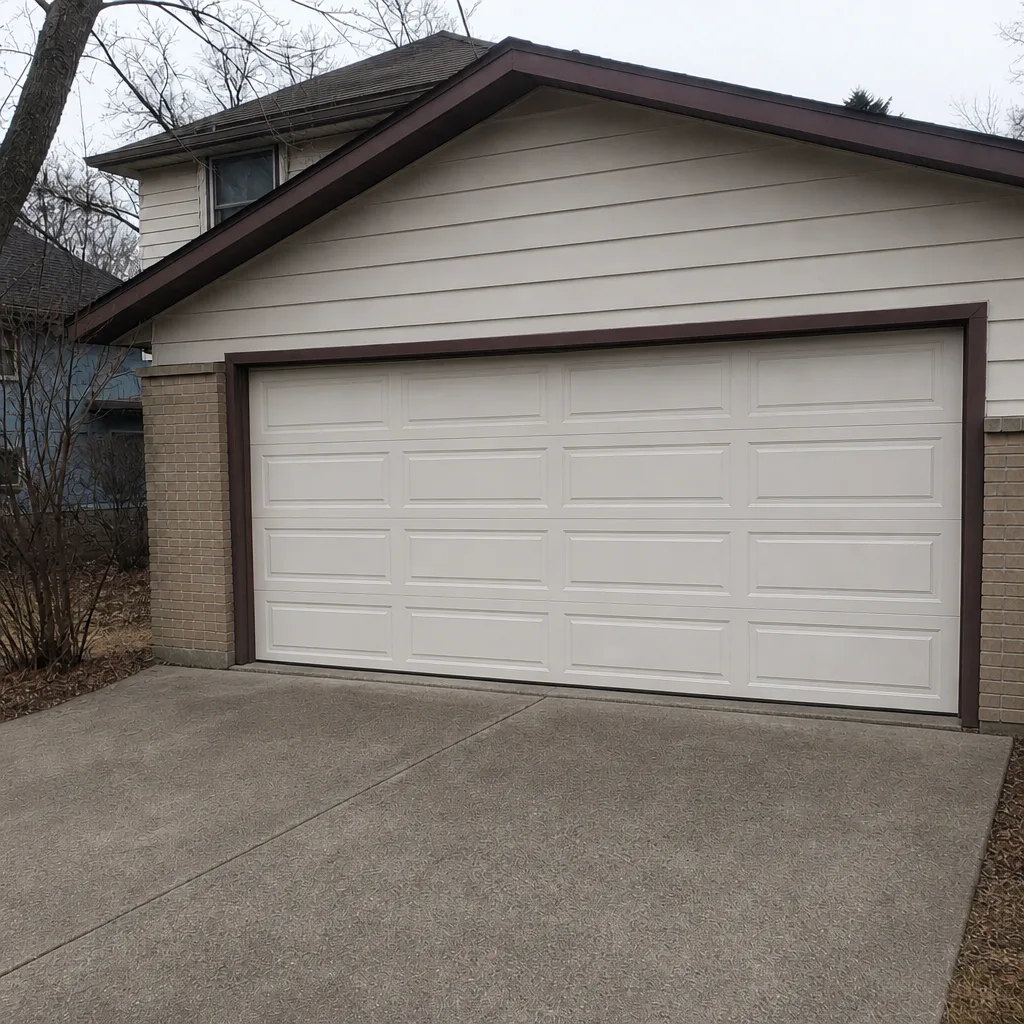 After
When to Call a Professional
Some of this guide is safe to handle yourself: cleaning tracks, touching up paint, testing the safety reverse, adjusting travel limits in small steps. The moment springs, cables, or a door that won’t move come into it, that changes. Call a professional if you see a broken torsion spring, hear a sharp bang followed by a heavy door, notice a frayed cable, find the door misaligned or off its track, or have a door that won’t open at all. Also call if your opener keeps reversing or locking out after a cold snap and limit adjustments don’t fix it. Springs under tension can cause serious injury, and an off-track door is a safety hazard you don’t want to force. Garage Door Repair Eden Prairie Pros offers free estimates in Eden Prairie, with a written price before any work starts. Call (888) 505-8601. We answer 24/7. Fast dispatch from 7am to 7pm, Sunday through Friday.
Frequently Asked Questions
Twice a year at minimum, timed to the transitions: once in the fall before the first hard freeze, and once in early spring before the thaw. Eden Prairie’s weather swings fast, so fall and spring are the two windows where a check does the most good. Between those, a quick visual check each month catches most changes.
Because of the thaw, not the cold. The stretch in March and April when the temperature swings forty degrees in a couple of days forces the torsion spring through a full expand-contract cycle daily, and repeated cycling is what fatigues metal. A spring that’s near the end of its cycle life tends to fail during that window, even if homeowners notice it as a “winter” problem.
No. A torsion spring is under extreme tension and can cause serious injury in an instant, and a partially broken spring is still loaded. Spring repair is a trained service requiring the correct tools and a matched pair replaced together. If you suspect a spring has failed, stop operating the door and call. Call (888) 505-8601 for an exact quote on spring repair; estimates are free.
A thick, cold-rated, flexible seal that matches your door profile and fills the gap between the door and the floor across its whole width. The concrete floor stays cold into spring while the garage air warms, so the seal has to stay soft enough to compress against cold concrete. A thin or hard seal leaves a gap that lets in meltwater and freezes the door to the floor.
Usually a combination of cold-stiffened lubricant, a stiff or frozen bottom seal, and force or travel limits that are set marginally. The opener reads the added resistance as an obstruction and reverses. Testing travel limits in the fall prevents most of these lockouts, but if a door still won’t close after small adjustments, the cause may be a binding door or a sensor issue that needs a look.
Yes. Emergency garage door service is part of our core work, not an add-on, and it’s built for the situations where waiting isn’t an option: a door stuck open, a car trapped inside, a door that won’t close in the cold. Call (888) 505-8601. We answer 24/7. Fast dispatch from 7am to 7pm, Sunday through Friday.
The Bottom Line
Eden Prairie doesn’t hand your garage door one maintenance season. It hands it four, each with a different component under the most stress and a different fix. The spring cares about March and April. The wood panels and paint seals care about the summer humidity. The bottom weatherseal and opener travel limits care about October. The lubricant, seals, and springs care about deep winter. Match your checks to the season in front of you and you’ll catch most failures before they strand you. When anything touches a spring, a cable, or a door that won’t move, that’s a trained-hands job, and it’s one call to sort out.
We handle the full life of a door in one place, from emergency repair and opener work to a complete new installation, and we already know the brand on your door. To set up a seasonal inspection or get a written estimate for a repair, call (888) 505-8601 for a free estimate. We answer 24/7. Fast dispatch from 7am to 7pm, Sunday through Friday. For the everyday repair side, start with Garage Door Repair Eden Prairie Pros.
Written by the team at Garage Door Repair Eden Prairie Pros.