
Last updated November 22, 2026
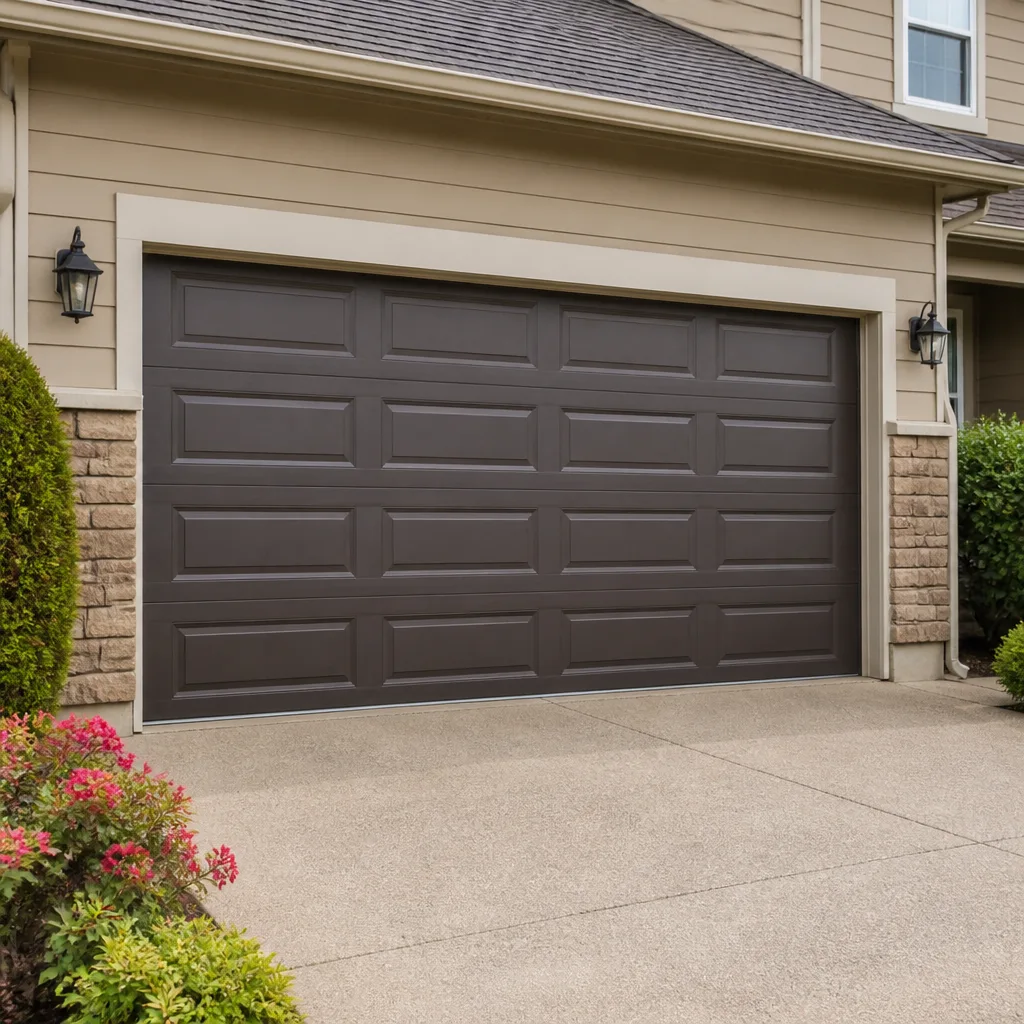 Raised-panel steel
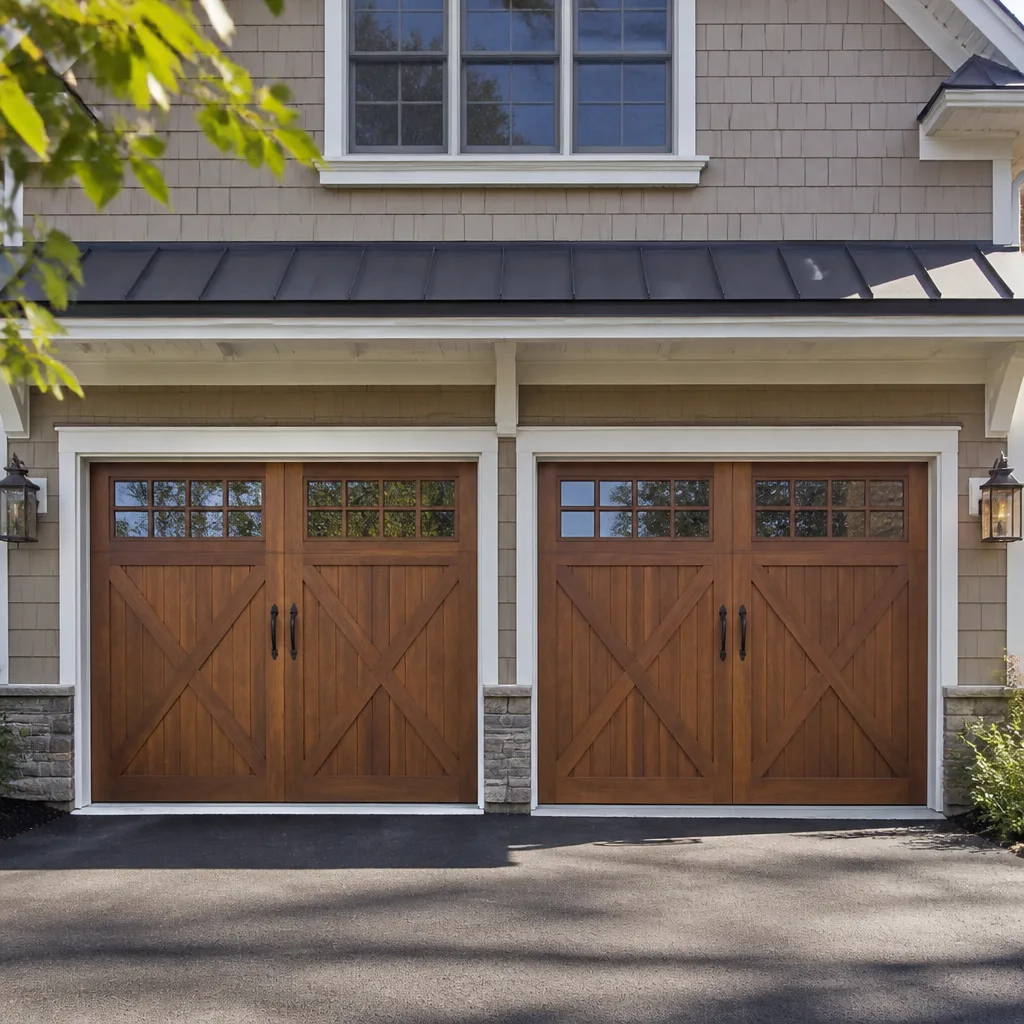 Carriage house
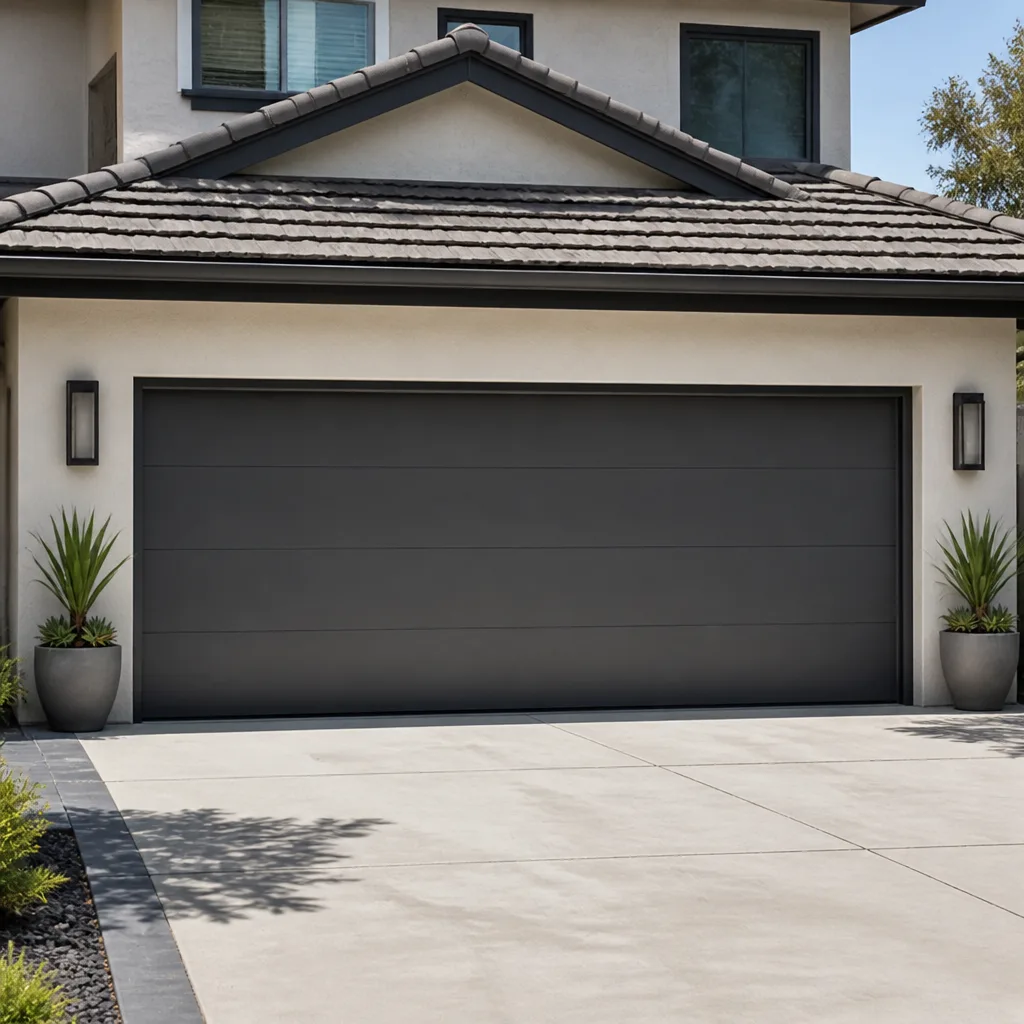 Modern flush
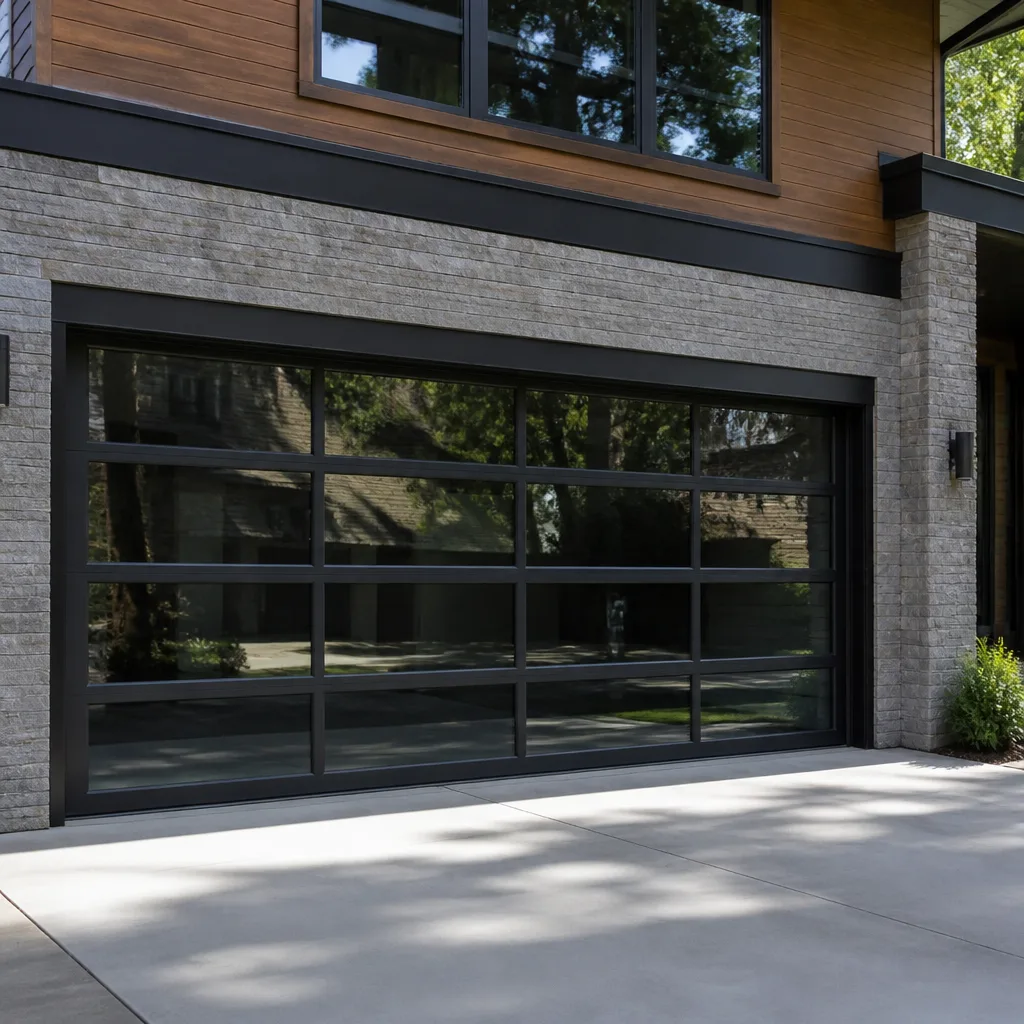 Full-view glass
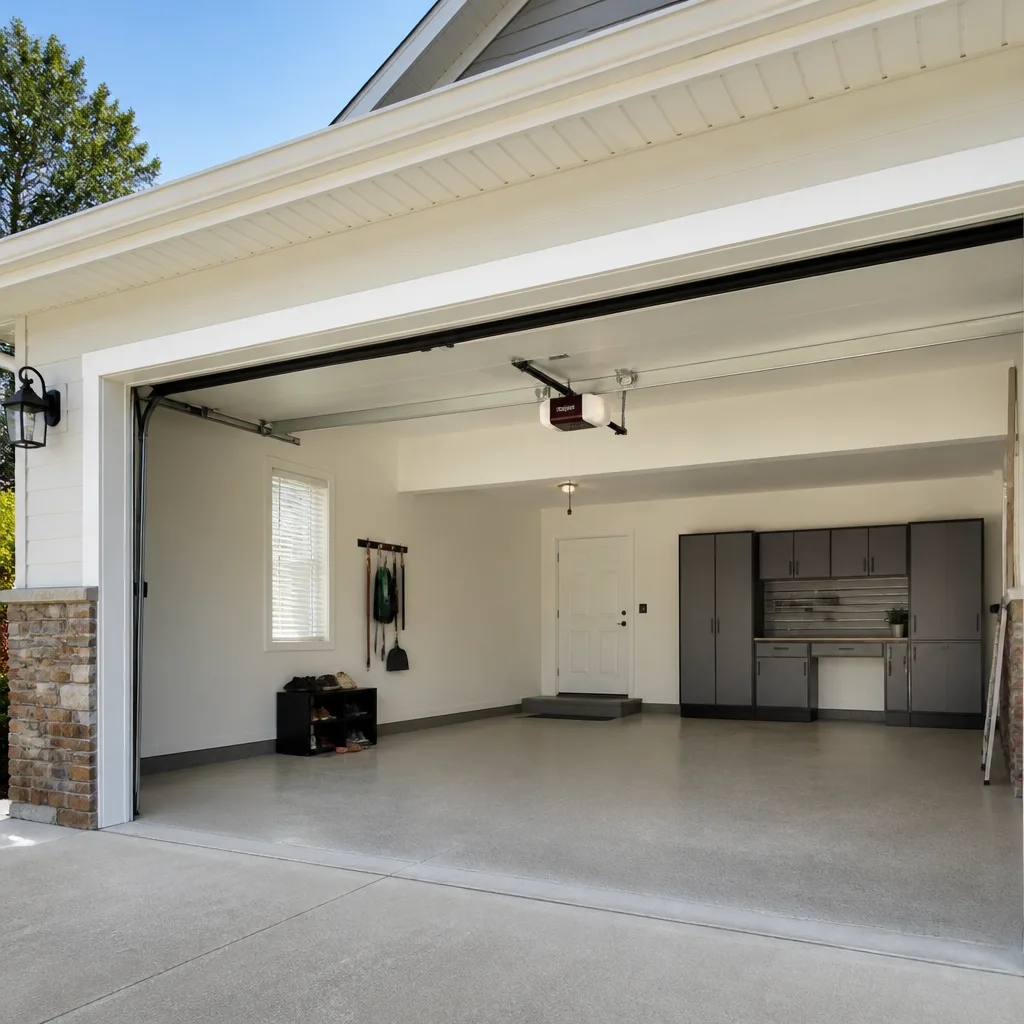 LiftMaster openers
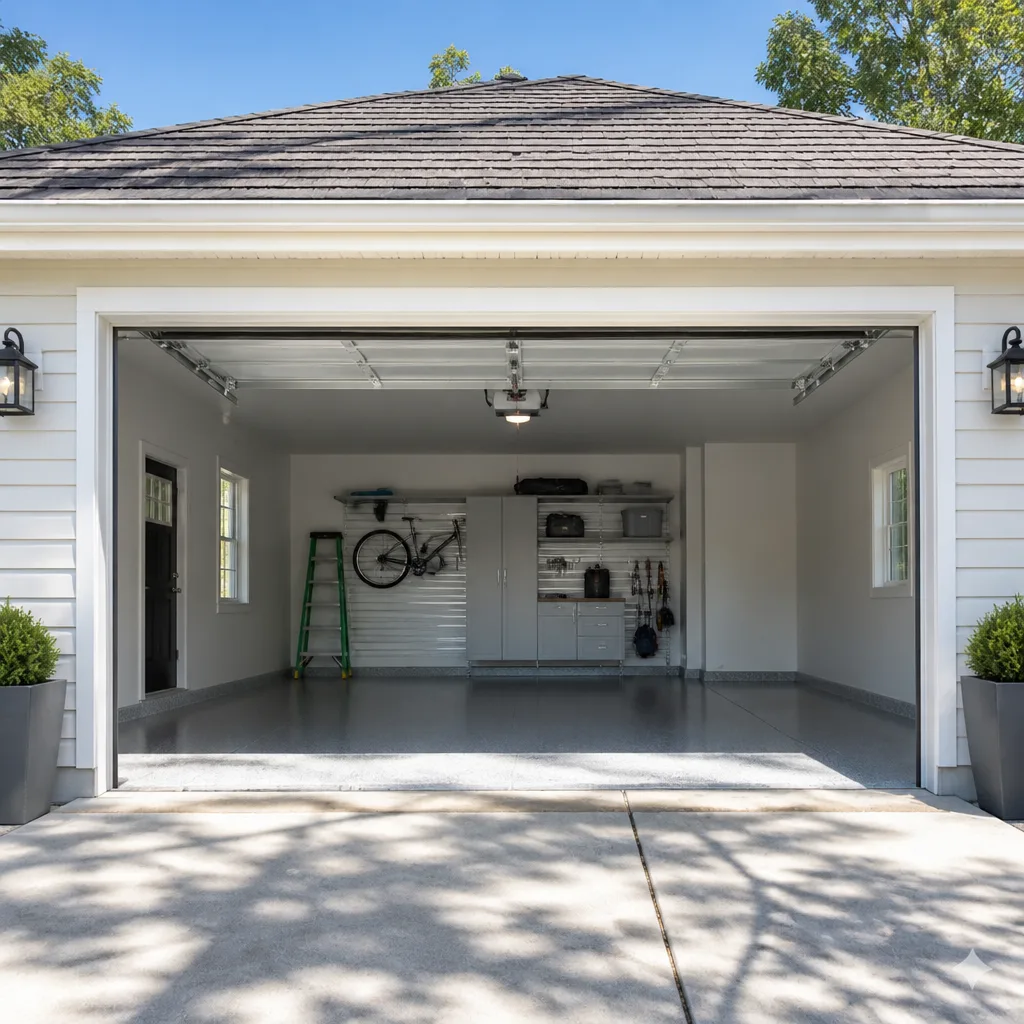 Chamberlain openers
Full 25-point door and opener safety check with every visit - springs, cables, rollers, tracks, and your LiftMaster or Chamberlain opener included
You get a price before we start. It does not change when the pro arrives.
Get your free estimateGarage Door Repair Maintenance Checklist for Eden Prairie Homeowners
The call we get most every November in Eden Prairie isn’t a snapped spring. It’s a door that ran perfectly in October and now won’t seal at the bottom, letting cold air pour in, because one five-minute check got skipped in September. That single gap tells you a lot about garage door maintenance: the expensive failures are usually small ones that went unnoticed. This guide is a working checklist built around the failure points we actually see on Eden Prairie service calls, ordered by frequency and by how likely each one is to strand your car. You’ll get the monthly routine, the pre-winter pass, the post-thaw inspection, the lubricants that hold up below zero, and a clear line between what’s safe to handle and what belongs in a technician’s hands.
Styles & brands we work with
- Raised-panel steel
- Carriage house
- Modern flush
- Full-view glass
- LiftMaster openers
- Chamberlain openers
Quick Answer
A practical garage door maintenance checklist for Eden Prairie runs on three cycles: a monthly five-minute safety and balance check, a pre-winter pass in late October focused on the bottom seal, weatherstripping, and lubrication with a cold-rated product, and a post-thaw inspection in March that targets corrosion around springs, cables, and hinges after road-salt season. Anything involving torsion springs, cables, or cable drums is not a homeowner task and should go to a trained technician. Everything else on the checklist is safe to do yourself with a ladder and a rag.
Table of Contents
- Why Eden Prairie Chews Through Garage Doors Faster Than You’d Think
- The Monthly Five-Minute Check
- The Pre-Winter Checklist: What to Do Before the First Hard Frost
- Lubricants That Actually Work Below Zero
- Inspecting Torsion Springs for Salt-Season Corrosion
- The Bottom Seal Sequence That Prevents Freeze-Gap
- Opener Care: LiftMaster, Chamberlain, Genie, and Craftsman
- The Post-Thaw Inspection: What March Reveals
- DIY-Safe vs. Technician-Only: Drawing the Line
- Common Mistakes to Avoid
- When to Call a Professional
- Frequently Asked Questions
- The Bottom Line
Why Eden Prairie Chews Through Garage Doors Faster Than You’d Think
Eden Prairie sits in a climate that swings hard and often. A garage door here lives through sub-zero mornings where metal contracts and grease stiffens, then sixty-degree thaws where every joint expands again, then a road-salt season that leaves a fine film of chlorides on every surface the car drags in. That cycle repeats dozens of times between November and March. Each swing puts stress on the same parts: the torsion spring, the seal at the floor, the hinges, the rollers, and the opener’s drive assembly.
The salt is the sneaky part. Plowed streets and treated roads near neighborhoods like Eden Prairie’s Olympic Hills and the areas around Round Lake push a briny mist into garages every time a wet car rolls in. It settles on the torsion bar, the springs, the cable drums, and the hinges, then dries. Repeat that a few hundred times through a Minnesota winter and you get pitting, surface rust, and eventually corrosion at the point where a spring coil flexes. That’s where a lot of the spring failures we see in Eden Prairie start, long before the spring actually lets go.
Housing stock matters too. The big attached garages common in Eden Prairie subdivisions are usually unheated and uninsulated, so they track the outdoor temperature closely. A door’s metal panels, tracks, and springs go through the full outdoor range. That’s fine if the hardware is lubed and the springs are sound. It’s a problem if you’ve been running the same dry, factory-lubed rollers for a decade.
None of this means Eden Prairie garage doors fall apart. It means they need a maintenance rhythm tuned to the climate, not a generic list written for a mild state. That’s the point of this whole guide.
The Monthly Five-Minute Check
This is the routine that sits at the foundation of everything else. Five minutes, once a month, and you’ll catch most of the small problems before they become service calls. Do it on a day when the garage is quiet and you can listen to the door move.
- Watch and listen as the door opens and closes. Stand outside the path of the door, not under it. Grinding, squealing, popping, or a door that shudders on its way up are all signals to look closer.
- Check the balance. Close the door, pull the release handle to disconnect the opener, then lift the door by hand to about waist height and let go. A properly balanced door stays roughly where you put it. If it drops or sprints upward on its own, the springs are out of balance and a technician needs to look at it.
- Test the safety reverse. Put a two-by-four flat on the floor in the door’s path, run the door down, and confirm it reverses on contact. Then wave an object through the photo-eye beam near the floor and confirm the door reverses on that too. If either test fails, stop using the opener until it’s fixed.
- Look at the rollers and hinges. Worn rollers wobble in the track. Loose hinge screws are common. Snug the screws, and note any roller that’s clearly worn flat.
- Scan the bottom seal. Look for cracking, a section that’s flattened, or a tear. More on this in the bottom-seal section below.
- Look up at the springs and cables. You’re checking for gaps, rust, or a cable that’s come off a drum. Do not touch anything. Just look. If something’s wrong, call.
File this under “prevention is cheaper than replacement.” A door that fails the balance test or the reverse test doesn’t need a full replacement, it needs a specific repair, and catching it monthly keeps the job small. For what that repair typically involves, our garage door repair page walks through the common fixes by symptom.
The Pre-Winter Checklist: What to Do Before the First Hard Frost
Eden Prairie’s first hard frost usually lands sometime in October, sometimes early November. That’s your deadline. Every task on this list should be done before the ground freezes hard and before the first real cold snap stiffens every lubricant in the door’s mechanism.
- Lubricate everything that moves. Hinges, rollers, the torsion bar’s bearing plates, and the track’s curve points. Use a cold-rated lubricant, which we’ll cover in detail next.
- Condition the weatherstripping around the door’s perimeter. Wipe it down with a silicone-based product that keeps rubber pliable through the cold. Brittle weatherstripping cracks in January and lets in cold air you’ll feel all winter.
- Inspect and replace the bottom seal if it’s cracked or flattened. This is the single highest-value task on the pre-winter list, and we’ll break it down below.
- Test the door’s balance and reverse. Run the full monthly check one more time before the season starts.
- Check the opener’s force settings and travel limits. If the door is harder to move in the cold, the opener’s force adjustment may need a look. If the door stops short or slams, the travel limits need adjusting.
- Clear the track of debris. Grit, dried leaves, and driveway grit collect in the track’s lower curve. A rag and a screwdriver get it out.
- Test the backup battery if your opener has one. Many LiftMaster and Chamberlain openers carry a battery backup that powers the door during an outage. A dead backup battery is easy to forget until you need it.
If you’re not sure your opener has a battery backup, check the manual or the model number plate. Most openers installed in Eden Prairie homes in the last decade do.
Lubricants That Actually Work Below Zero
Here’s where standard advice fails. You’ve probably read somewhere that WD-40 is a good garage door lubricant. It isn’t. WD-40’s standard formula is a solvent and light penetrating oil. It’s useful for loosening a rusted bolt, but it evaporates quickly and leaves almost no film. On a garage door in Minnesota it does more harm than good: it strips what little lubrication is left on the rollers, attracts dust, and by January the dry metal is squealing louder than before.
For sub-zero temps, you want a lubricant that stays fluid. In practice, that means:
- Lithium grease (white lithium) for hinges and bearing plates. It holds up reasonably well in cold but can get tacky in extreme cold. Apply sparingly and work it into the pivot point.
- Silicone spray for rollers, tracks, and weatherstripping. Silicone stays slick down into the teens and single digits, doesn’t attract grit, and is safe on rubber seals. This is the one we recommend most often.
- A synthetic or cold-rated garage door lubricant for the torsion bar and bearing plates. These products are formulated to stay fluid below freezing. Read the label’s temperature range before you buy.
What to avoid: standard WD-40 as a lubricant, motor oil, cooking spray, and generic “all-purpose” lubricants that don’t list a temperature rating. The single best test is the label. If it doesn’t state a low-temperature range, it isn’t built for an Eden Prairie winter.
Lubrication frequency depends on how often the door runs. A door that cycles six times a day needs a lube pass every couple of months. A door that runs twice a day can go three or four months.
Inspecting Torsion Springs for Salt-Season Corrosion
Torsion springs sit on the horizontal bar above your door and do the actual lifting. They’re under extreme tension, which means they should be inspected, never adjusted. What you’re looking for is corrosion. Eden Prairie’s road-salt season leaves its mark on springs through a predictable pattern.
- Look for surface rust along the coil. A light dusting of rust on the outside of the spring is normal and not urgent. Corrosion that’s clearly pitting the metal is not.
- Look for gaps in the coil. A healthy torsion spring has evenly spaced coils. A spring with a visible gap, especially near the middle, has either shifted or is beginning to fail.
- Look for rust staining on the torsion bar and bearing plates. That staining usually means salt spray has been settling there for a while.
- Watch for a spring that’s lost tension. If the door feels heavy when you lift it after pulling the release, or the opener strains when it opens, the spring may be fatigued.
What you do not do is apply oil or anti-rust spray to the spring as a fix. A trained technician treats springs with the right product during a service visit. Home-applied sprays can migrate to the drum and cable, which is where trouble starts. If you see visible pitting or a gap, stop using the door and call for a trained inspection. Spring repair done right means a technician trained on the specific hardware, the tension calculation, and the safe disassembly process. This is one of the few jobs on a garage door where the failure mode is genuinely dangerous.
For the full picture of what spring repair involves, see our garage door spring repair guide.
The Bottom Seal Sequence That Prevents Freeze-Gap
Freeze-gap is the Eden Prairie condition where the bottom seal, which looked fine in September, flattens or cracks before the first hard freeze, and the door no longer sits tight against the floor. The gap lets cold air in, moisture collects, and the floor near the threshold gets a thin layer of ice that creeps up the bottom seal. Once that happens, the seal delivers less each winter and the problem compounds.
The fix is a sequence, done in order, before the frost sets in:
- Inspect the seal first before the door is even opened. Look at the floor contact line where the seal meets the concrete. A continuous black line is good. Any light or daylight showing through means the seal is lifted.
- Open the door and inspect the underside of the seal. Look for cracks, flattened sections, or a torn section. If the seal is cracked all the way through, replace it now.
- Check the seal’s contact with the floor across the entire width. Run your hand along the gap (carefully, with the door open and stationary). If you can feel cold air, the seal is not doing its job.
- Clean the bottom of the door where the seal attaches. A dry rag is enough. Any grit or old adhesive will prevent a new seal from seating correctly.
- Replace the seal with a cold-rated product. Standard vinyl seals get brittle in January. A high-quality rubber or cold-rated vinyl seal holds its flexibility through the winter.
- Test the door’s full close and reverse. After replacing the seal, run the door down, then a test of the safety reverse with the two-by-four, then open and close fully. The new seal adds a small amount of thickness, so the opener’s travel limits may need a touch of adjustment.
A worn bottom seal is the number-one cause of the “my door worked in October and now it doesn’t seal” call in Eden Prairie. It’s also one of the cheapest parts on the entire door. Replacing it takes about thirty minutes and costs far less than the cold air you’d let in all winter.
Opener Care: LiftMaster, Chamberlain, Genie, and Craftsman
The opener is the part of the system most homeowners understand least. Four brands dominate residential installs in Eden Prairie: LiftMaster, Chamberlain, Genie, and Craftsman. Each has its own quirks, and knowing which one you have makes maintenance a lot easier. Our technicians work with all four regularly, along with the door brands Raynor, Clopay, Amarr, and Wayne Dalton.
Common opener maintenance tasks that are safe to do yourself:
- Test the safety beam monthly. Wave an object through the photo-eye near the floor and confirm the door reverses. If it doesn’t, the opener shouldn’t be used.
- Check the belt or chain tension. A chain that hangs visibly slack or a belt that squeals is worth a look. Most manuals show the adjustment, though a loose chain that’s still snug usually isn’t urgent.
- Clean the optical eyes. Dust and cobwebs on the photo-eye lenses cause a lot of false-reverse calls. A dry rag fixes it.
- Check the battery in the remote and the wall control. Weak batteries are the most common cause of “the remote doesn’t work” calls.
Tasks that belong with a technician:
- Force settings and travel limits, especially if the door’s weight has changed (after a spring replacement, for example).
- A logic board or motor failure. These need a proper diagnostic and, in most cases, a part replacement or opener replacement.
- Reconnecting the opener to the door’s carriage after a manual release that’s left the door misaligned.
- Installing a new opener. Wiring, sensor mounting, and safe force limits are done correctly in one visit.
A LiftMaster or Chamberlain opener with a battery backup that’s been sitting through a power outage is worth checking right after the winter. Genie and Craftsman units tend to have fewer battery backups in the residential line, so on those brands the backup check is often skipped. If you’re not sure which opener you have, look at the housing or the printed model number.
For tighter detail on opener issues and how to know when repair versus replacement is the answer, see our garage door opener repair page.
The Post-Thaw Inspection: What March Reveals
March and early April in Eden Prairie are the reveal. A whole winter’s worth of freeze-thaw cycles shows up in the hardware as soon as the weather eases. What you’re checking for after the thaw:
- Fresh rust on springs, hinges, and tracks. Winter salt and moisture do their damage slowly, and March is when the rust is most visible. Surface rust on a hinge is fine. Corrosion that’s flaking the metal is not.
- Loose hardware. The freeze-thaw cycle loosens bolts, screws, and hinge plates. A quick pass with a screwdriver and wrench tightens most of it.
- Track alignment. The cold and the thaw can shift a track out of alignment, especially on doors that faced a lot of snow buildup near the bottom curve. Look for a track that’s visibly bowed or that the door hesitates going through.
- Seal damage from ice. Ice that formed under the bottom seal over the winter often leaves a cracked edge as it melts. Inspect and replace if needed.
- Cable condition. Look at the cables on each side. Cables that are frayed, kinked, or rubbing against the drum are a technician call. Never handle a cable under tension.
- Roller wear. Winter is hard on plastic rollers. A worn roller is a common March find, and they’re inexpensive to replace.
A post-thaw inspection is the best one of the year to schedule a professional visit if you haven’t had one in a while. It catches spring fatigue and corrosion at the point of maximum information and minimum urgency.
DIY-Safe vs. Technician-Only: Drawing the Line
Knowing what’s safe to do yourself versus what isn’t is the single biggest factor in a life-long garage door ownership experience. We draw the line clearly.
DIY-safe (in our view):
- Lubrication of hinges, rollers, tracks, and weatherstripping
- Visual inspection of the door, springs, cables, and hardware
- Checking the safety reverse and photo-eye beam
- Cleaning and clearing the tracks
- Replacing the bottom seal
- Battery replacement in remotes and openers
- Tightening loose hinge and bracket screws
Technician-only, no exceptions:
- Torsion spring replacement or adjustment
- Any handling of cables, drums, or the torsion bar
- Force and travel limit adjustments after a spring change or abnormal door weight
- Roller replacement on a high-mounted or unusual track configuration
- Opener logic board, motor, or full opener replacement
- Track repair or realignment that requires adjusting the door’s balance
- Any problem where the door has dropped, has snapped hardware, or the springs are seen to be failing
The reasoning is simple. A torsion spring on a standard residential door holds hundreds of pounds of tension. If it lets go while you’re near it, the result can be serious injury. Cables under tension are the same story. The rest of the door is generally safe to handle with basic tools and a bit of caution around the moving door itself.
Our technicians have up to 12 years of experience on garage doors and openers, and we treat spring repair as a specialty service for exactly this reason. For a full look at the repairs we handle, the Garage Door Repair Eden Prairie Pros team is the one call that covers repair, opener work, spring work, and new installation without coordinating multiple contractors.
Common Mistakes to Avoid
- Using standard WD-40 as a garage door lubricant. It evaporates, strips what’s there, and does nothing for a Minnesota winter. Use a cold-rated lubricant and skip the WD-40 entirely. This is the single most common mistake we see on Eden Prairie doors.
- Skipping the pre-winter bottom seal inspection. Every October, we get calls from homeowners whose door worked fine until first frost and then suddenly didn’t seal. Replacing a cracked seal in October takes thirty minutes. Doing it in January takes longer and the interim cold air is on your heating bill.
- Testing the door’s balance wrong. If you pop the manual release and the door drops like a stone or springs upward fast, the springs are unbalanced. Don’t try to “fix” the balance by adjusting the tension. That’s a technician call.
- Assuming the safety reverse still works because it worked last year. The photo-eye and the door’s reverse on contact are two separate systems. Both should be tested monthly, and if either fails, the opener shouldn’t be used until it’s fixed.
- Ignoring the spring corrosion after the salt season. Surface rust is normal, pitting isn’t. If the Eden Prairie road-salt film has started to pit your springs, get them inspected before they decide to fail.
- Adjusting the opener’s force settings to compensate for a harder-to-move door. More force masks a real mechanical problem (worn spring, dry rollers, track misalignment) and shortens the opener’s life. Fix the door’s movement first.
- Putting off a March inspection. The post-thaw window is the most useful one all year for catching freeze-thaw damage. Skipping it means you discover a problem when it’s already urgent, usually in July or the first cold snap of the next fall.
When to Call a Professional
Call a technician if any of these are true: the door won’t balance after manual release, the springs show gaps or heavy corrosion, a cable is frayed or off its drum, the door has dropped or a hardware piece has snapped, the opener strains or reverses without an obstacle, the door hasn’t had a trained inspection in over a year, or you’re planning a new door and want the right measure, model, and installation done in one pass. None of these are jobs to leave for later.
Garage Door Repair Eden Prairie Pros offers free estimates in Eden Prairie – call (888) 505-8601. We answer 24/7. Fast dispatch from 7am to 7pm, Sunday through Friday. Same-day service is often available for repair calls, and every job gets a written estimate before any work starts, so the price you agree to is the price you pay.
Frequently Asked Questions
Once a year is the standard cadence for a trained inspection, ideally in the post-thaw window of March or April, with a monthly five-minute homeowner check in between. Garage doors in Eden Prairie face harder seasonal swings than the same door would in a milder climate, so the annual inspection matters more here. Call (888) 505-8601 for an exact quote on a service visit – estimates are free.
A cold-rated synthetic or lithium grease for hinges and bearing plates, and silicone spray for rollers and weatherstripping. Standard WD-40 is not a lubricant and should be avoided. Check the label for a stated low-temperature range; if it doesn’t have one, it isn’t built for an Eden Prairie winter.
No. Torsion springs are under extreme tension and are the most dangerous part of the entire door system. A properly trained technician has the tools, the tension calculation, and the procedures to replace and adjust them safely. Spring repair is a job for a professional, always.
Lubricate all moving parts with a cold-rated product, inspect and replace the bottom seal if cracked or flattened, condition the weatherstripping, test the safety reverse, clear the tracks, and check the opener’s force and travel settings. The pre-winter checklist in this guide walks through each item in order. Call (888) 505-8601 if you’d rather have a trained eye go through it for you – estimates are free.
Almost always a worn or cracked bottom seal that flattened or hardened in the cold. Once the seal loses its flexibility, it no longer sits tight against the floor and cold air comes through the gap. Replacing the seal before the frost sets in is the fix. In Eden Prairie, that means getting to it in October rather than after the first hard freeze.
Not at Garage Door Repair Eden Prairie Pros. Every job gets a written estimate first, and the price is quoted and agreed before any work starts. If something new comes up during the job, the technician stops, explains it, and re-quotes before continuing. Call (888) 505-8601 for a free estimate.
The Bottom Line
The checklist that keeps an Eden Prairie garage door reliable isn’t about doing more; it’s about doing the right tasks at the right time. A five-minute monthly check catches most small failures before they become service calls. A late-October pre-winter pass, especially the bottom seal and cold-rated lubrication, is what keeps the door sealing through the coldest stretch. The March post-thaw inspection is the best one all year for catching freeze-thaw damage and salt-season corrosion while it’s still cheap to fix. Springs, cables, and drums stay out of the DIY list; everything else is fair game with a ladder, a rag, and a cold-rated lubricant.
Our technicians have up to 12 years of experience across the eight brands we work with – LiftMaster, Chamberlain, Genie, Clopay, Amarr, Wayne Dalton, Craftsman, and Raynor – so we already know your door and your opener before we arrive.
If your checklist turns up a problem, or you’d rather have a trained eye go through the door ahead of winter, call us for a free estimate. One crew handles the repair, the opener work, the spring work, and installation, so there’s no coordinating three different contractors for one garage door.
Call (888) 505-8601. We answer 24/7. Fast dispatch from 7am to 7pm, Sunday through Friday.
Written by the team at Garage Door Repair Eden Prairie Pros.
See the difference
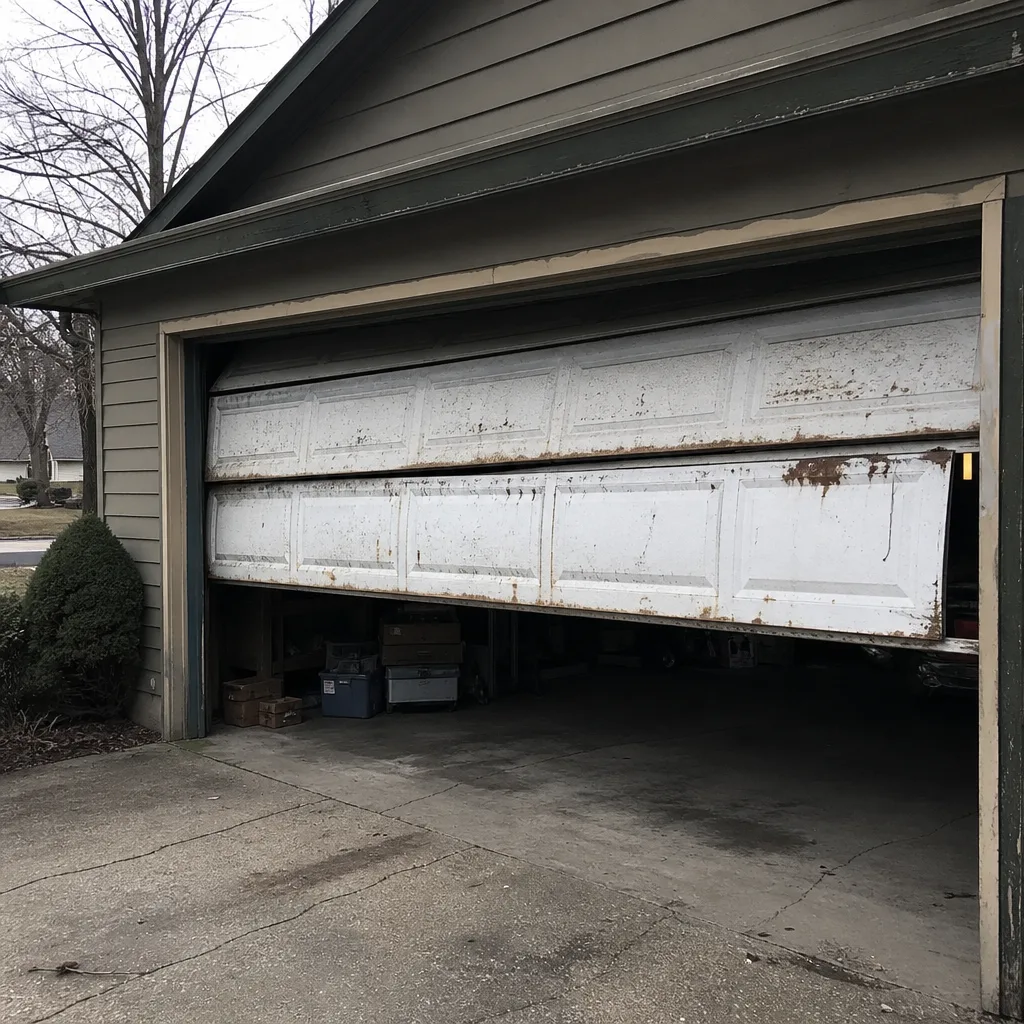 Before
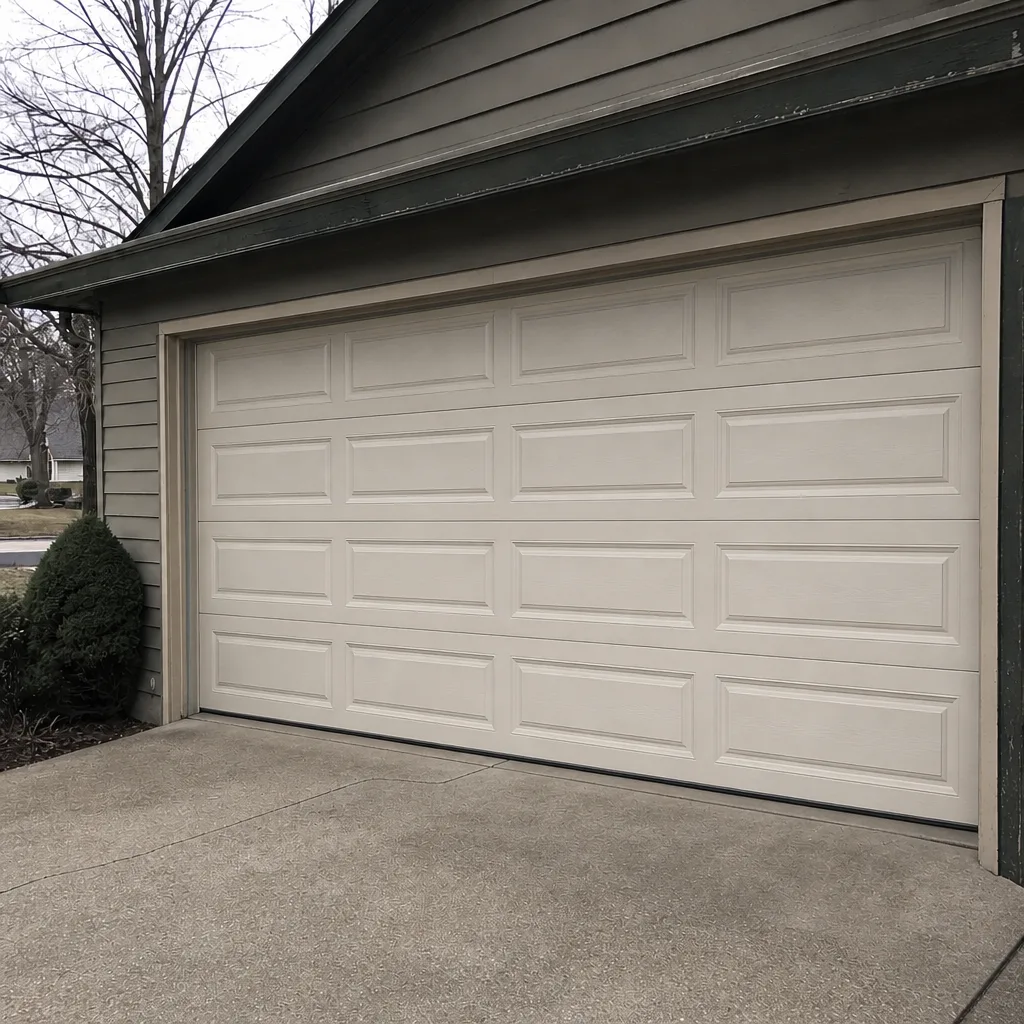 After
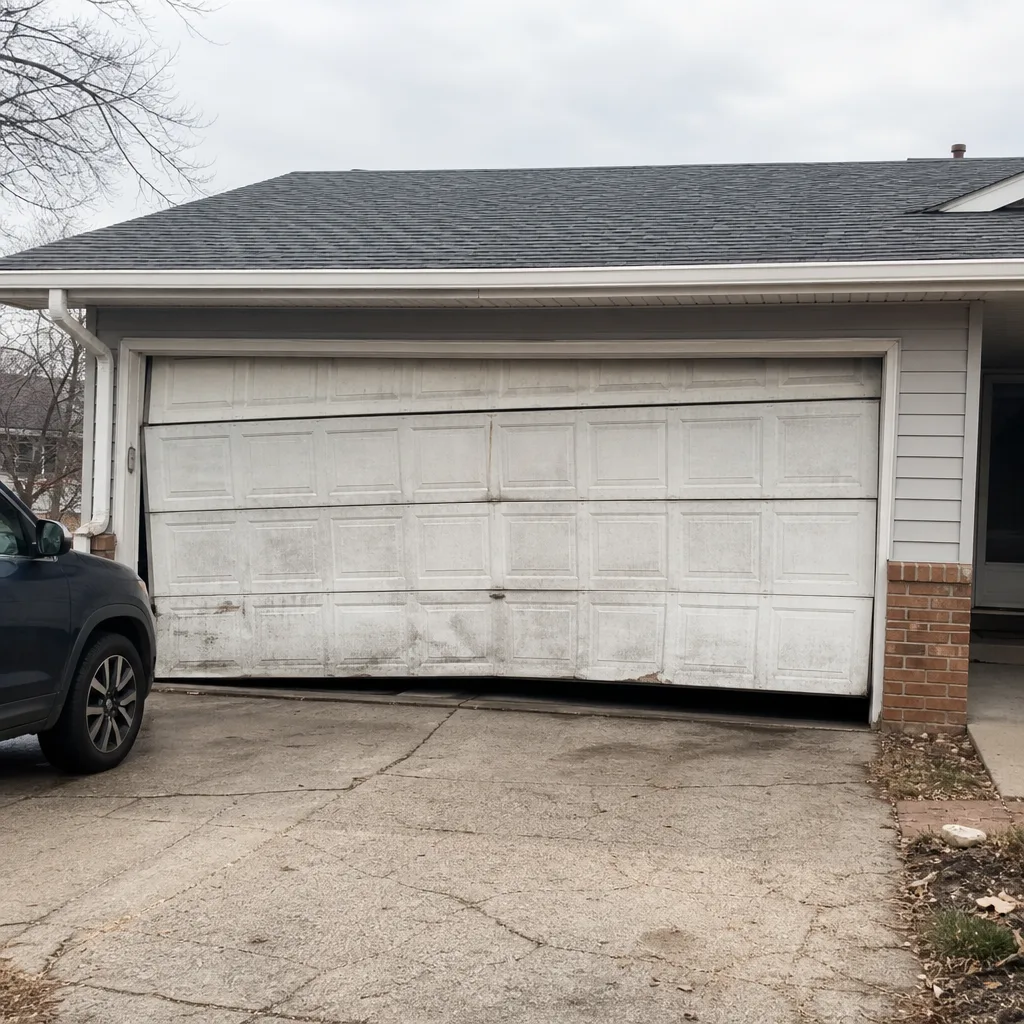 Before
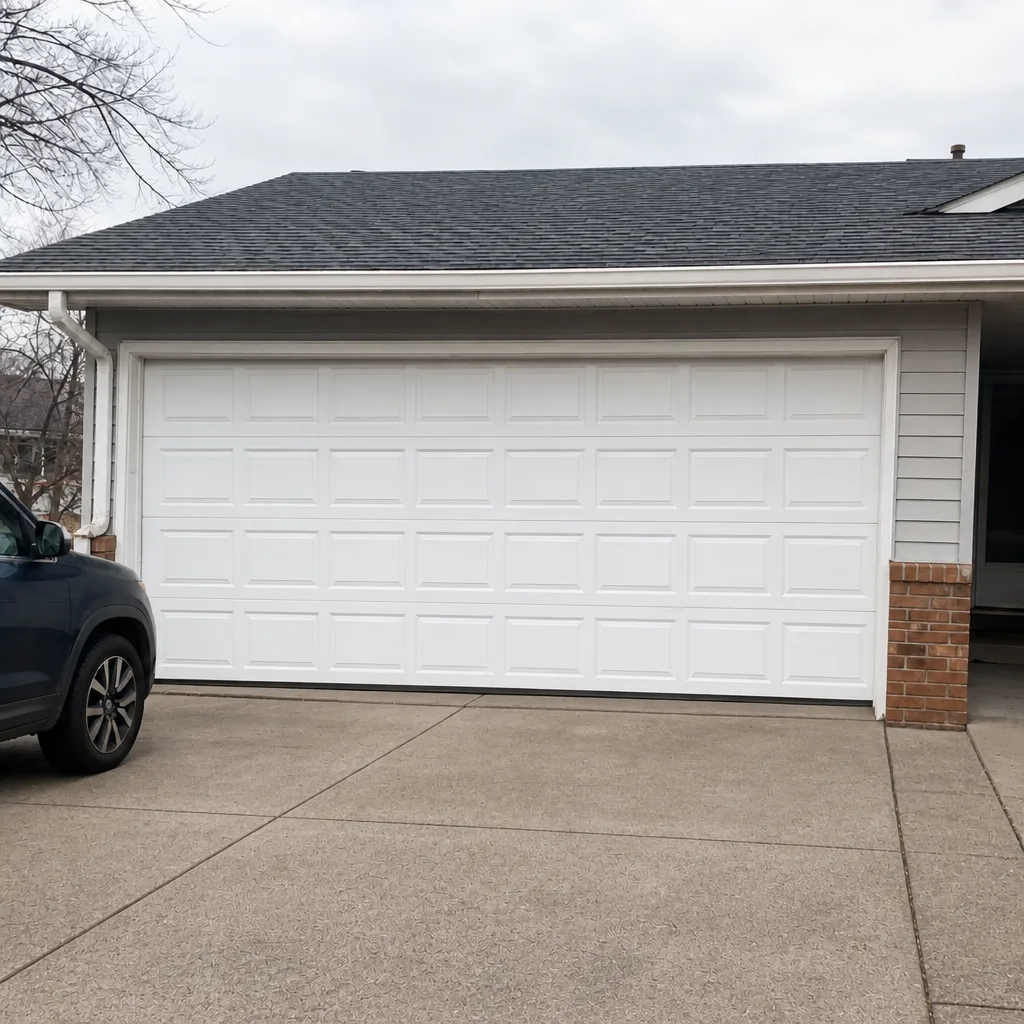 After
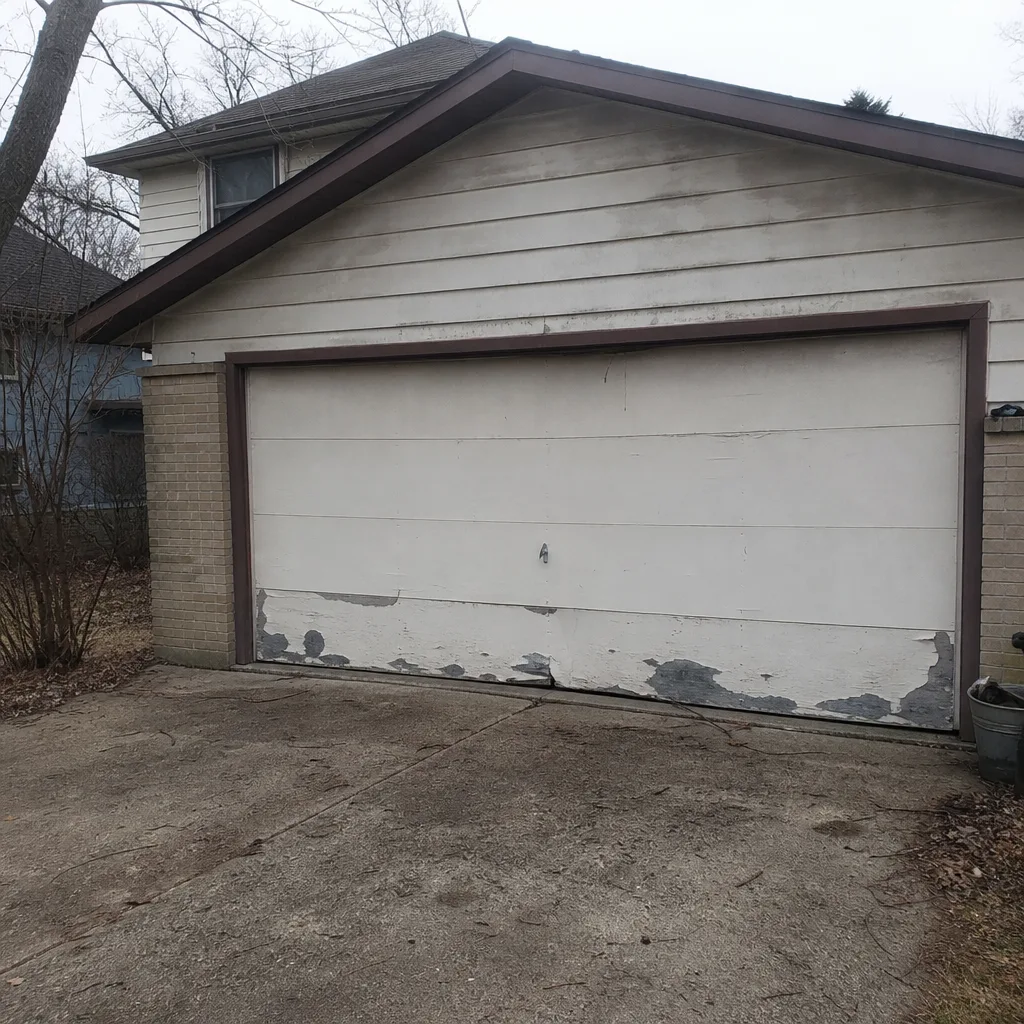 Before
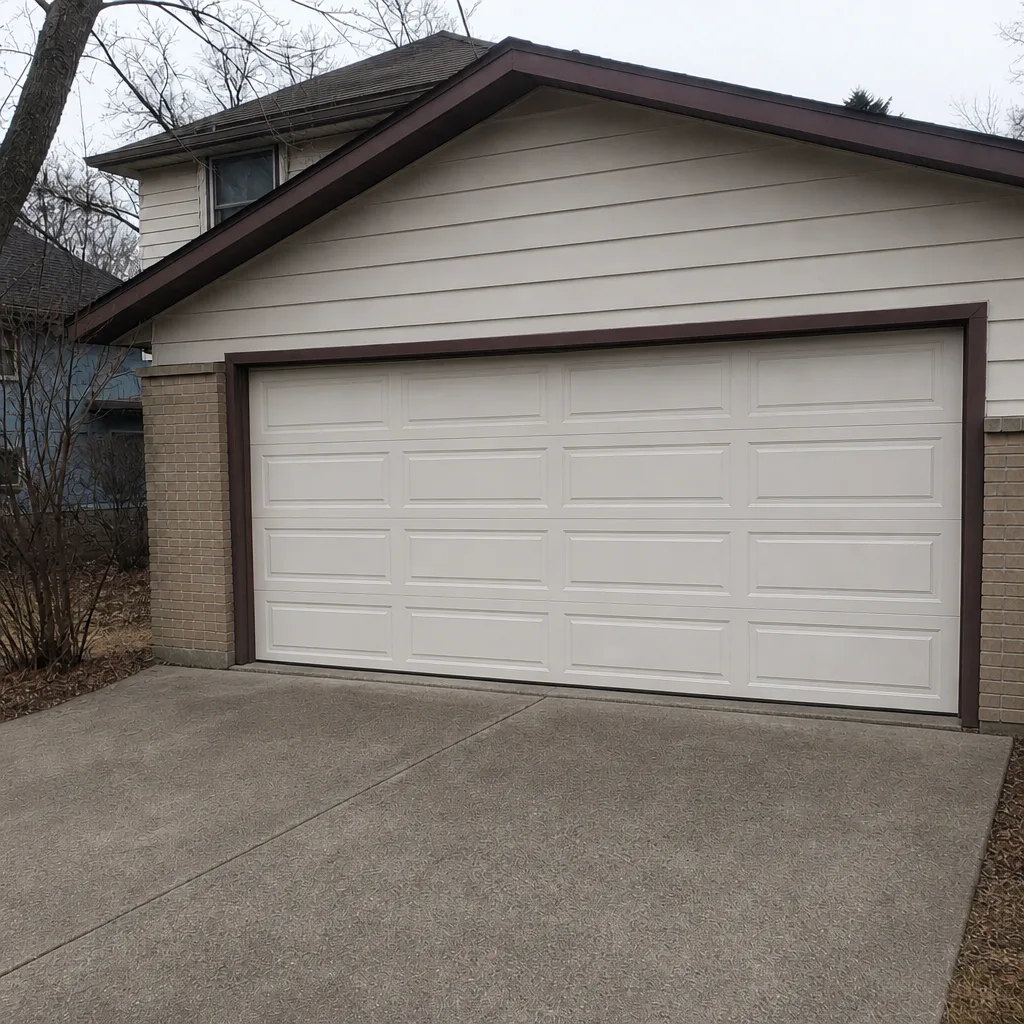 After